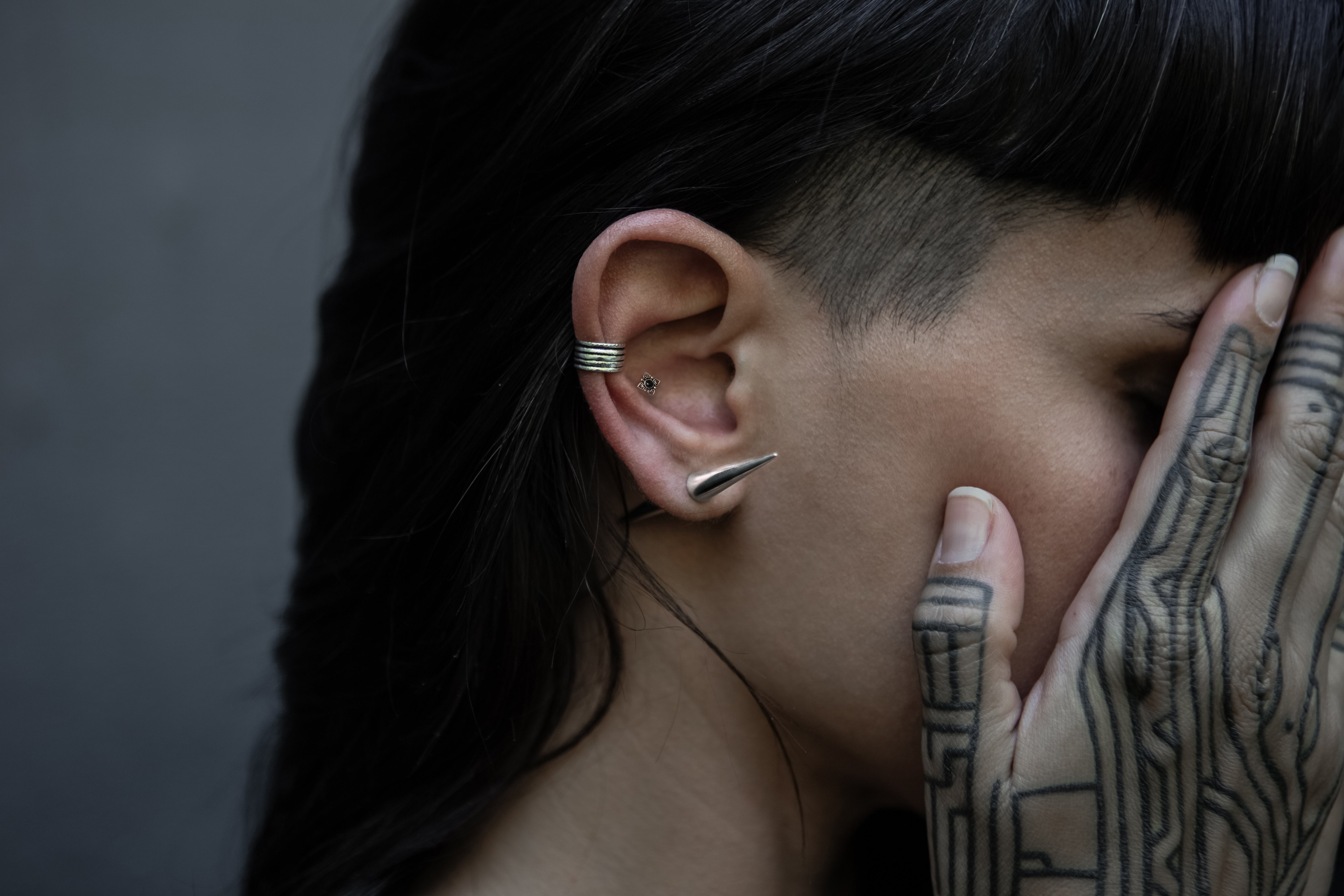
Inner conch and outer conch
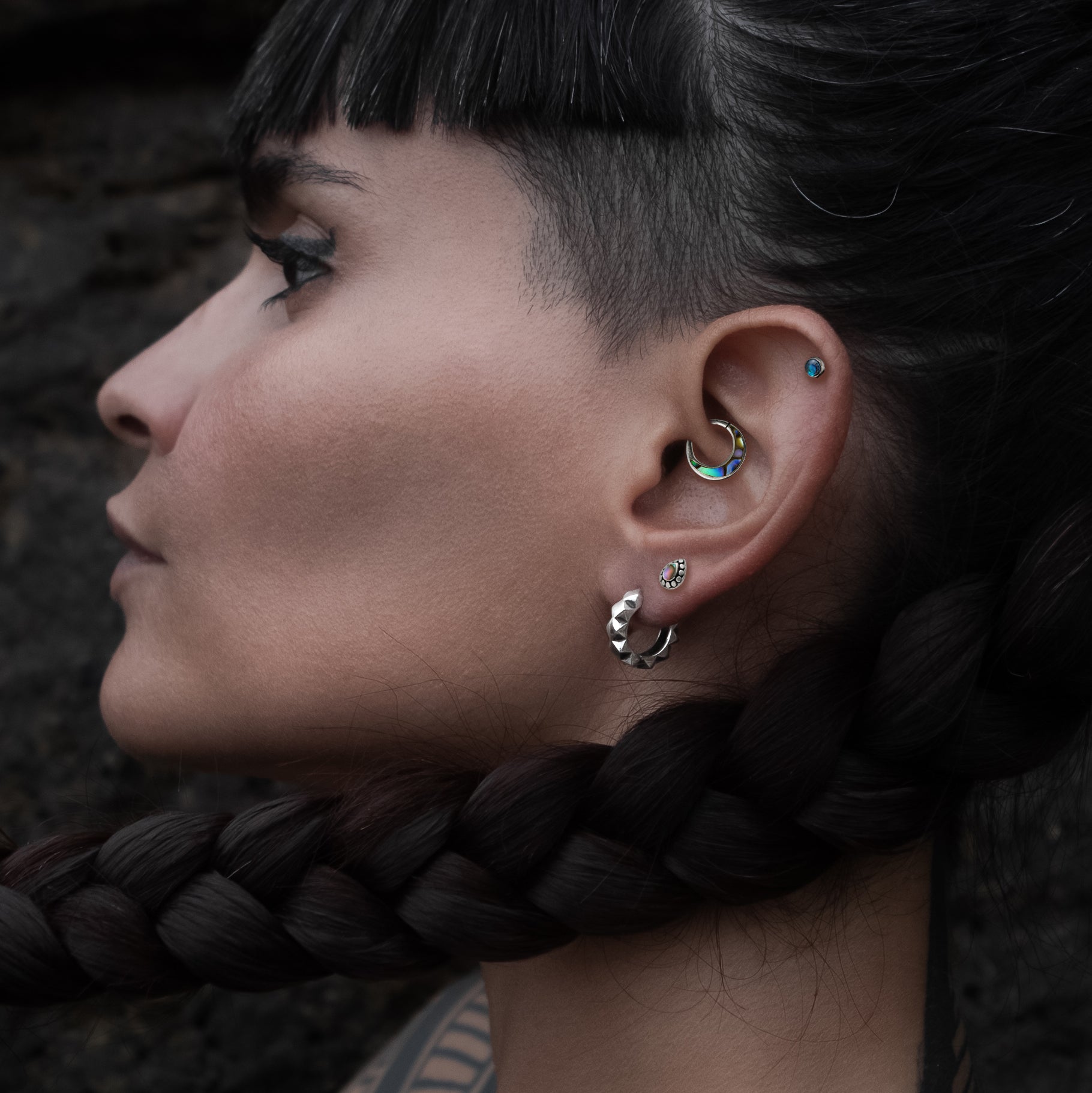
The conch is the shell-shaped bowl of cartilage in the middle of the ear, and the name comes from the shell it resembles. It gets pierced in two places, and the distinction decides what you can wear.
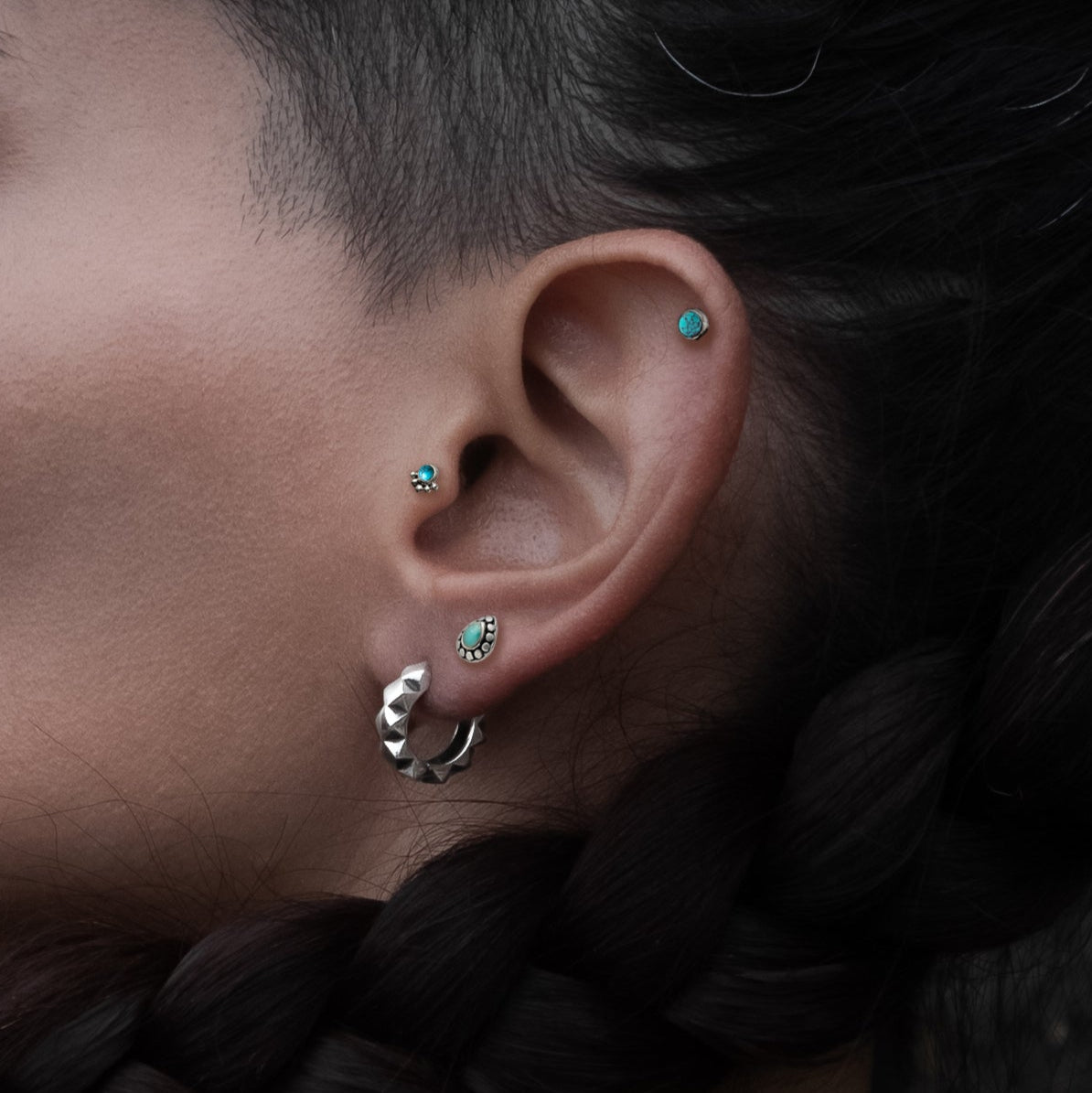
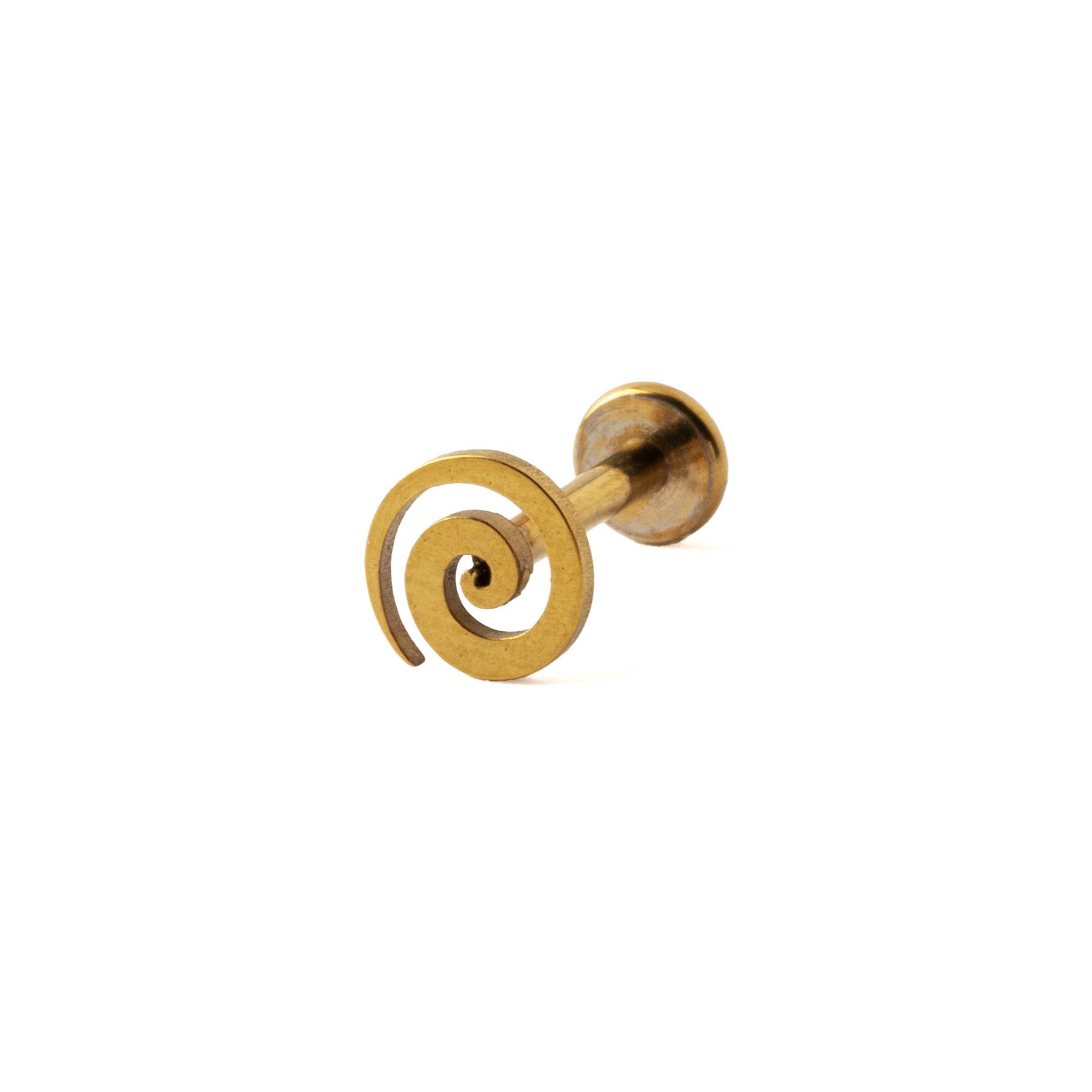
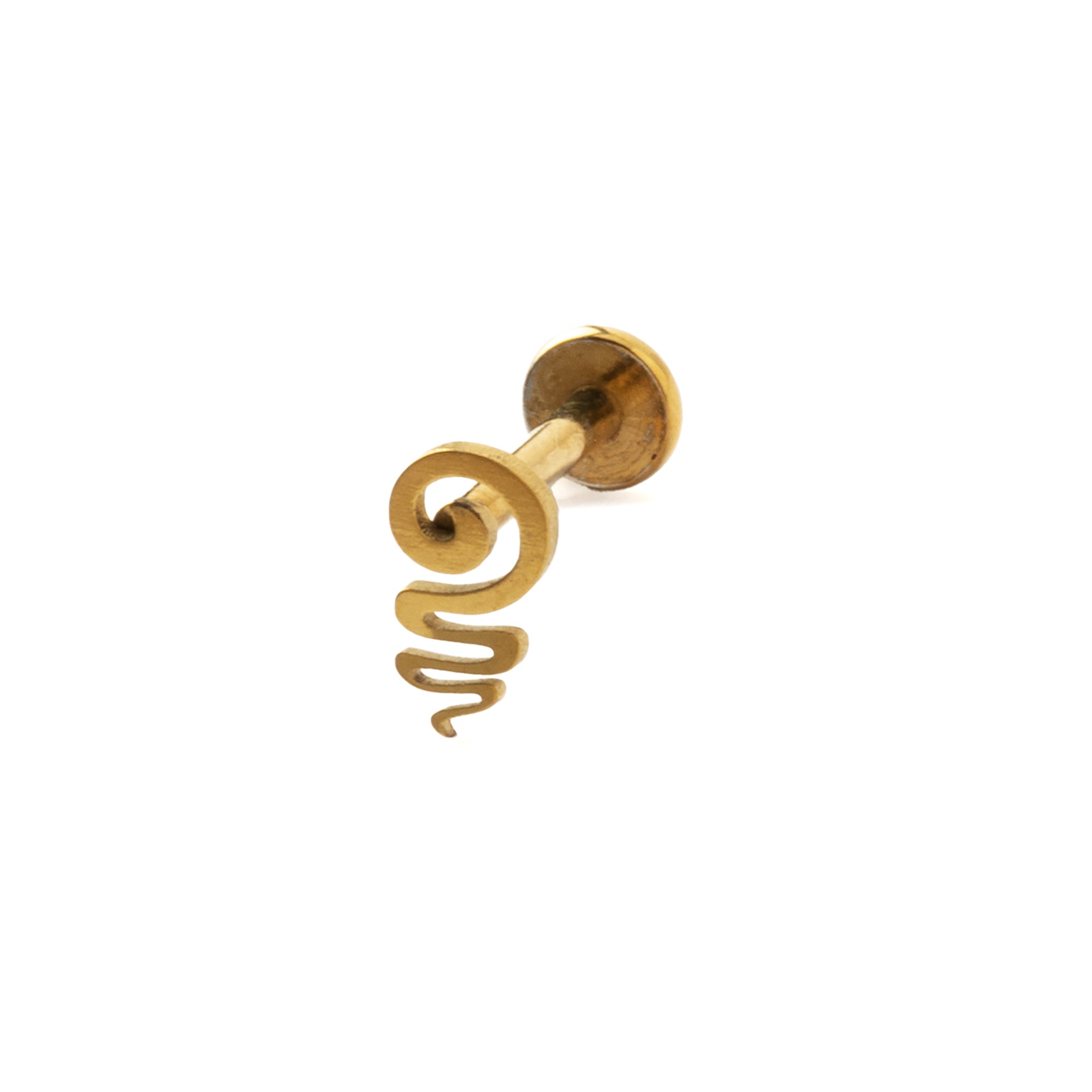
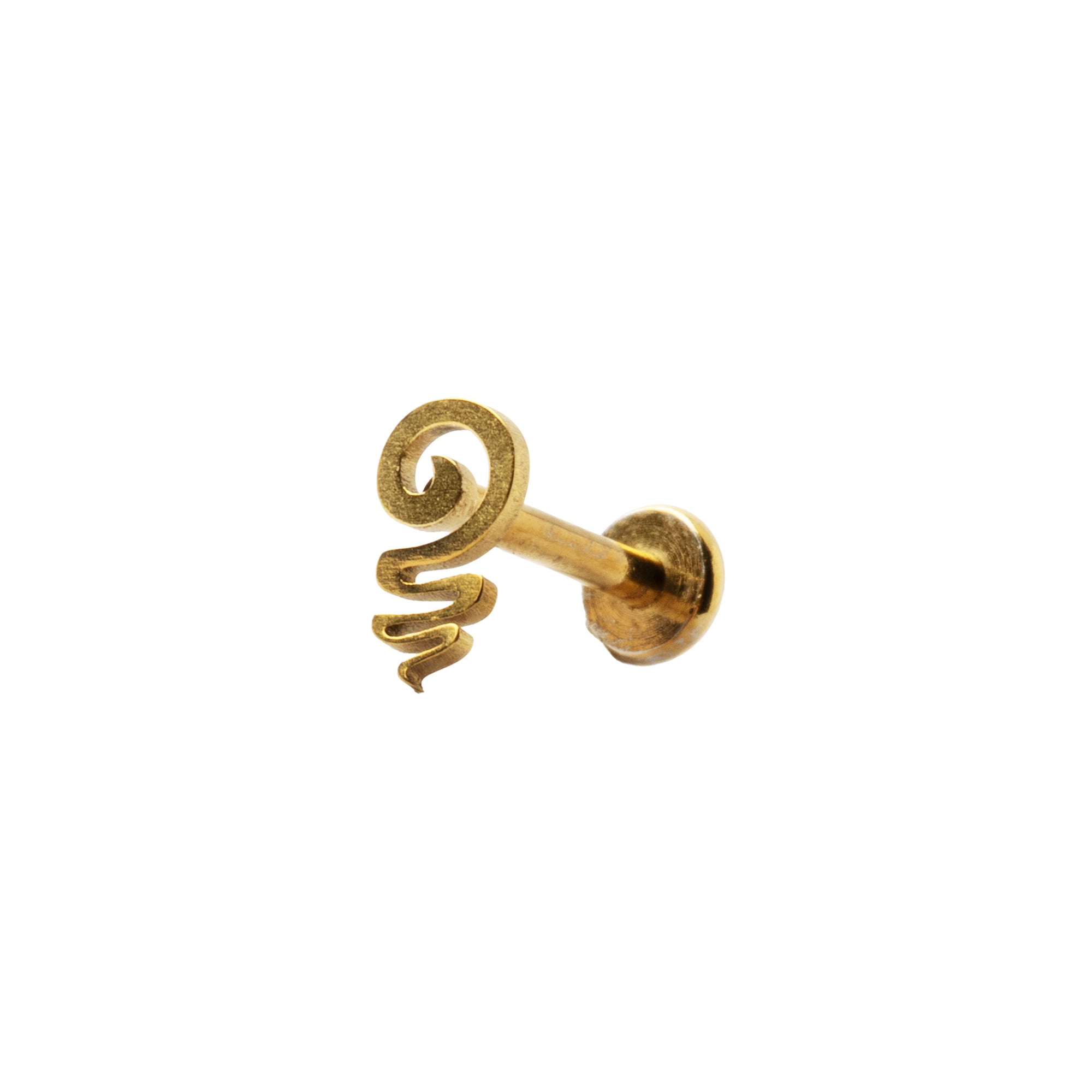
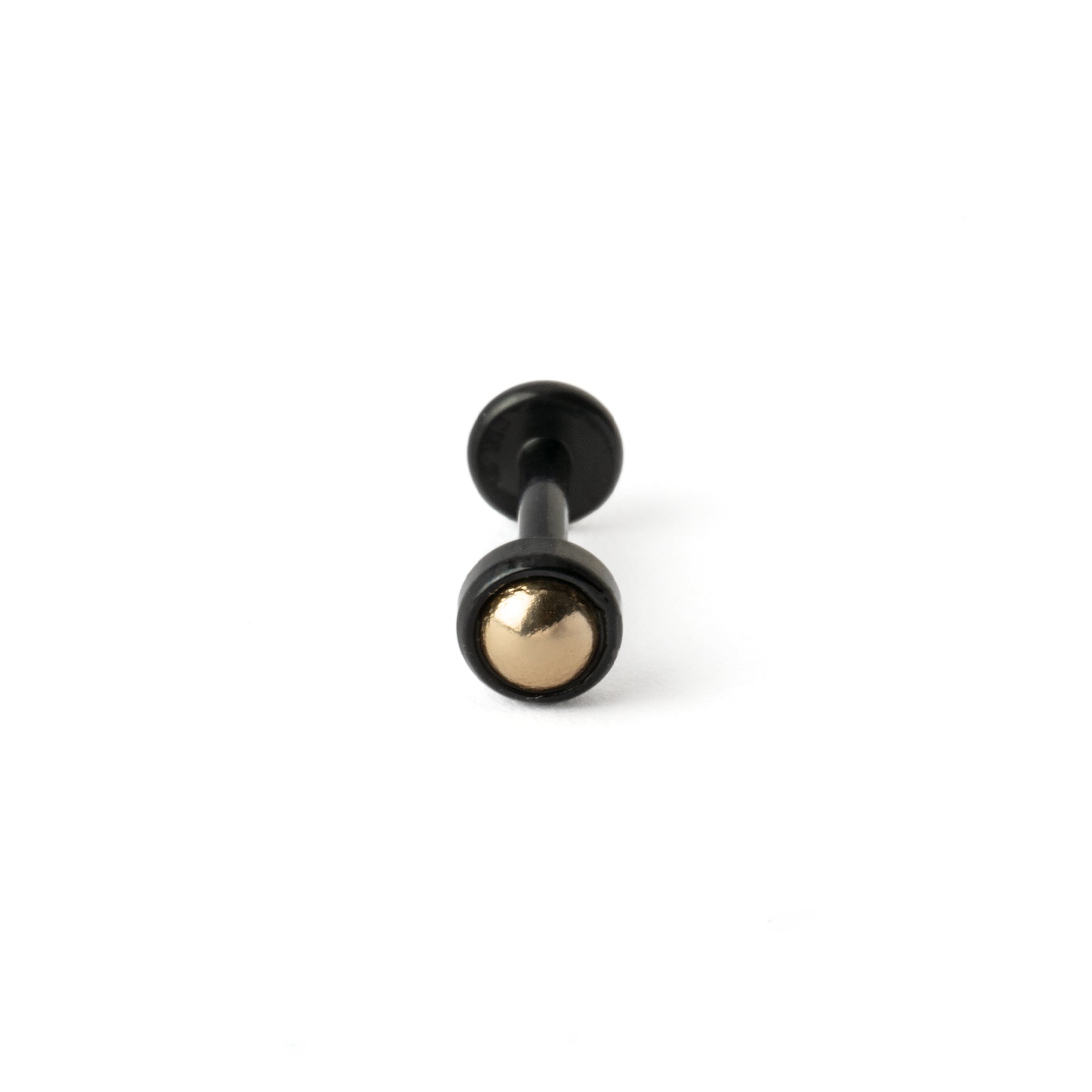
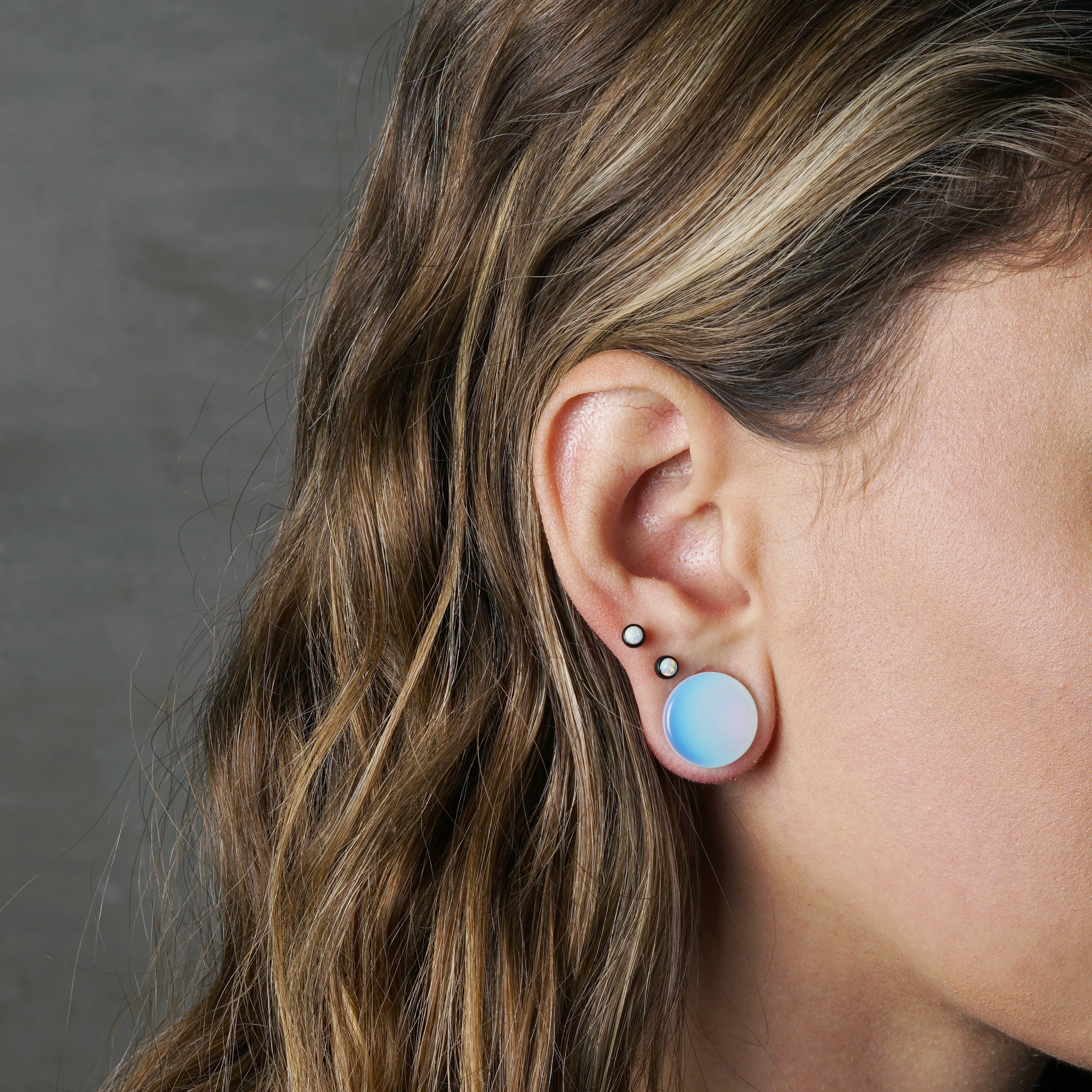
Inner conch goes through the flat centre of the bowl, closest to the ear canal. It's the placement most people mean by "conch". Because it sits in the middle of a flat plane with ear behind it, the jewellery needs a flat back: a stud or labret whose disc rests smoothly against the skin. A hoop can't get round from there.
Outer conch sits higher and further out, near the edge of the bowl where the cartilage curves up towards the helix. This one can take a hoop, because there's an outer rim for the ring to wrap around.
If you're not sure which you have, look at where the piercing sits relative to the ridge of cartilage that runs round your ear. Inside it is inner; on or above it is outer. The piercer who did it will tell you in a second.
What actually fits
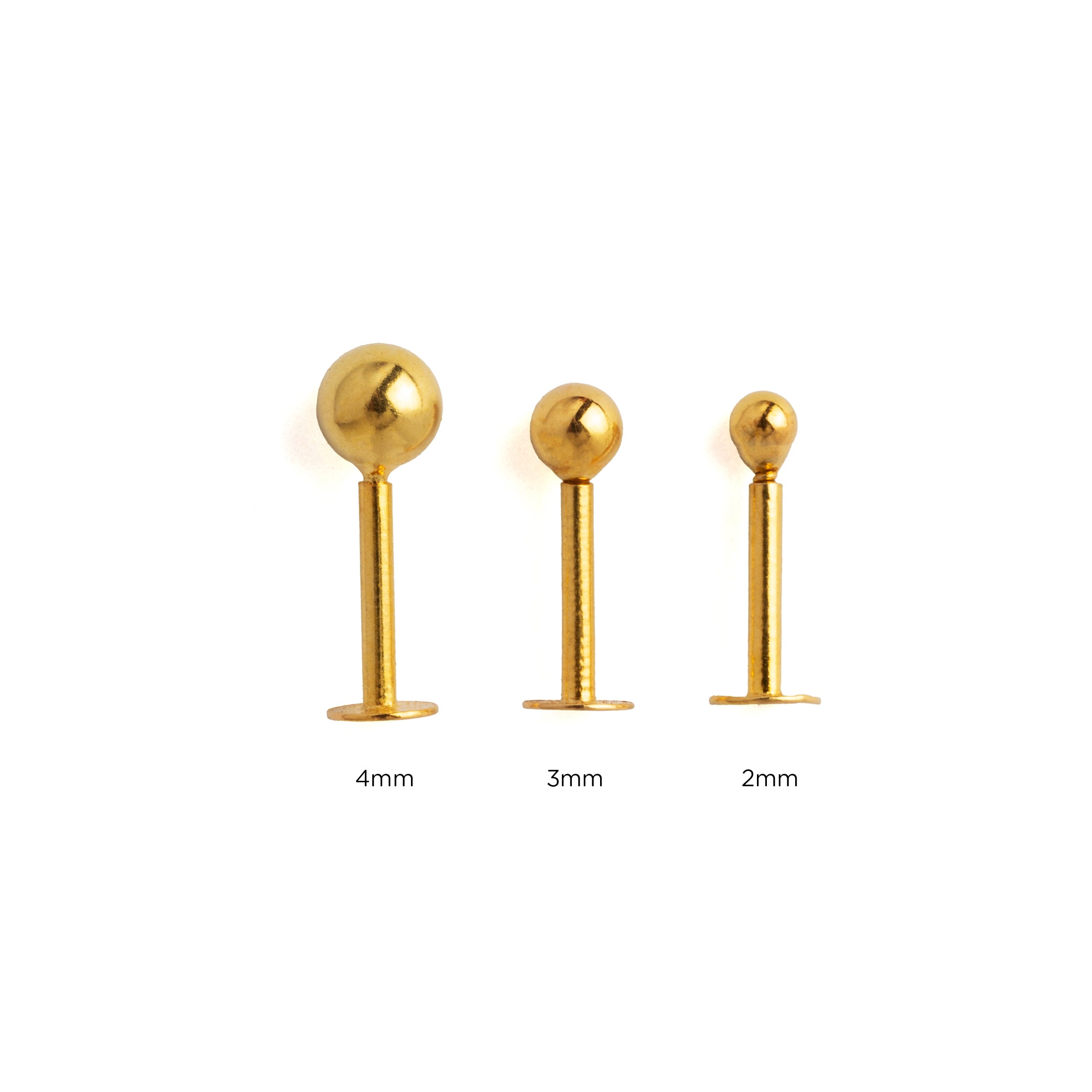
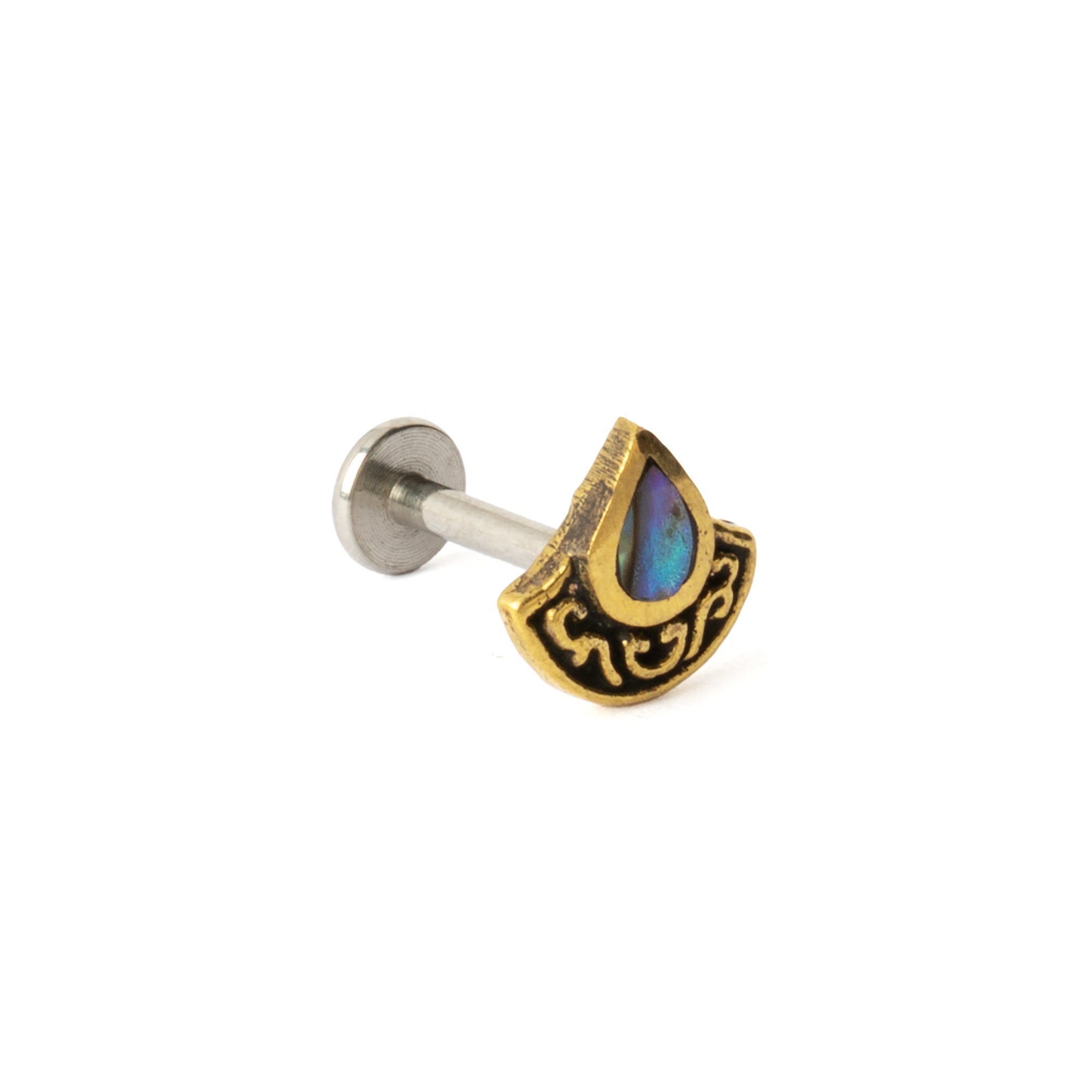
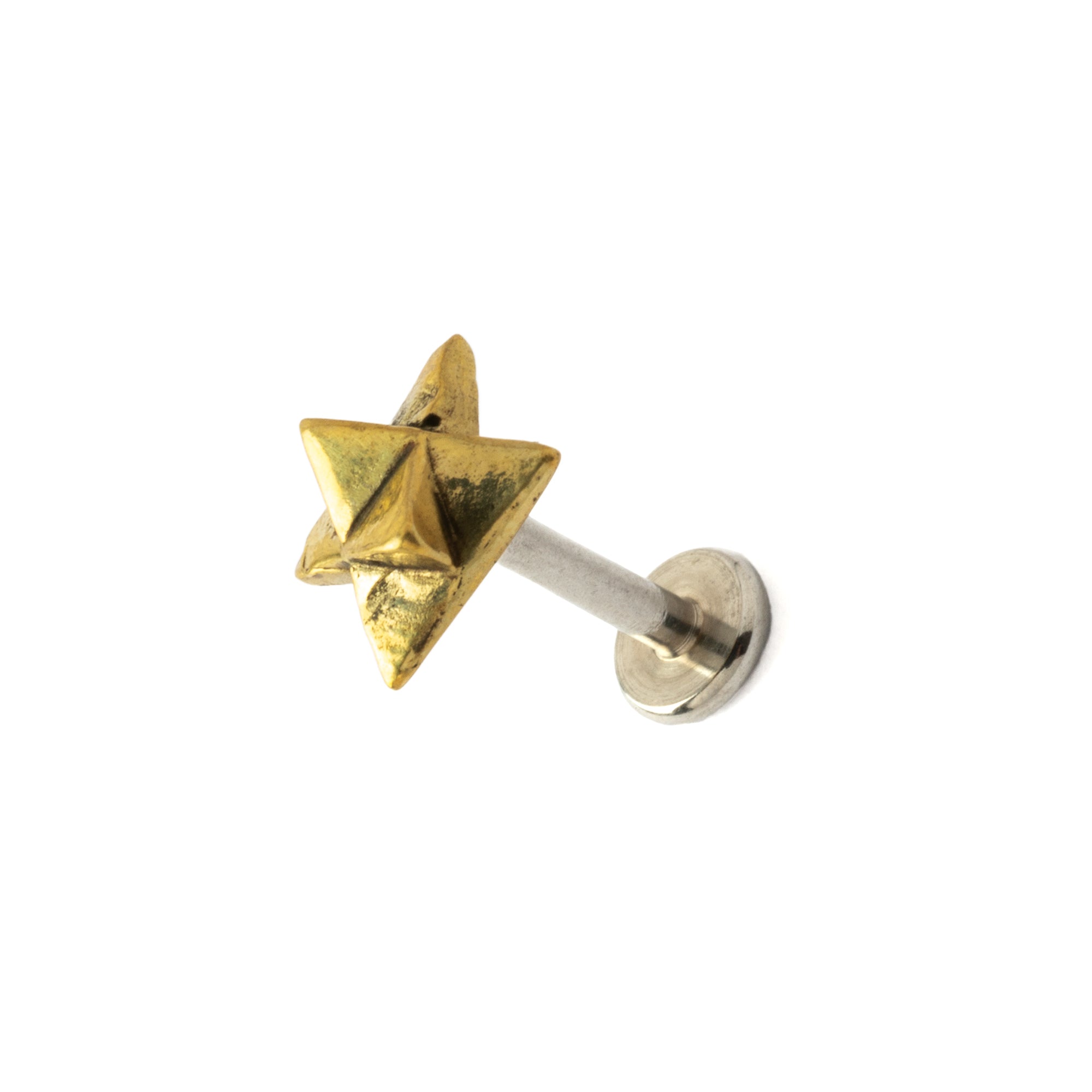
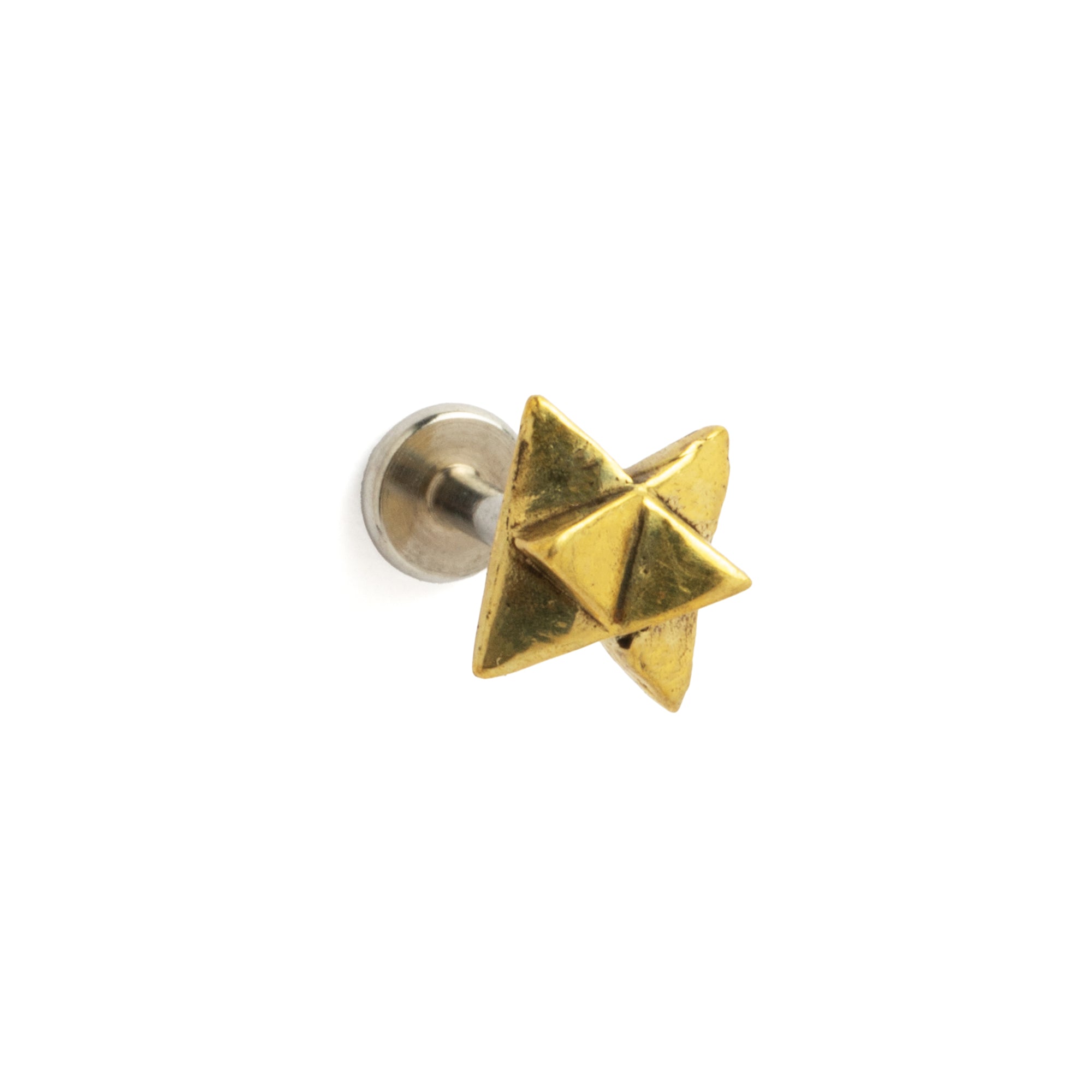
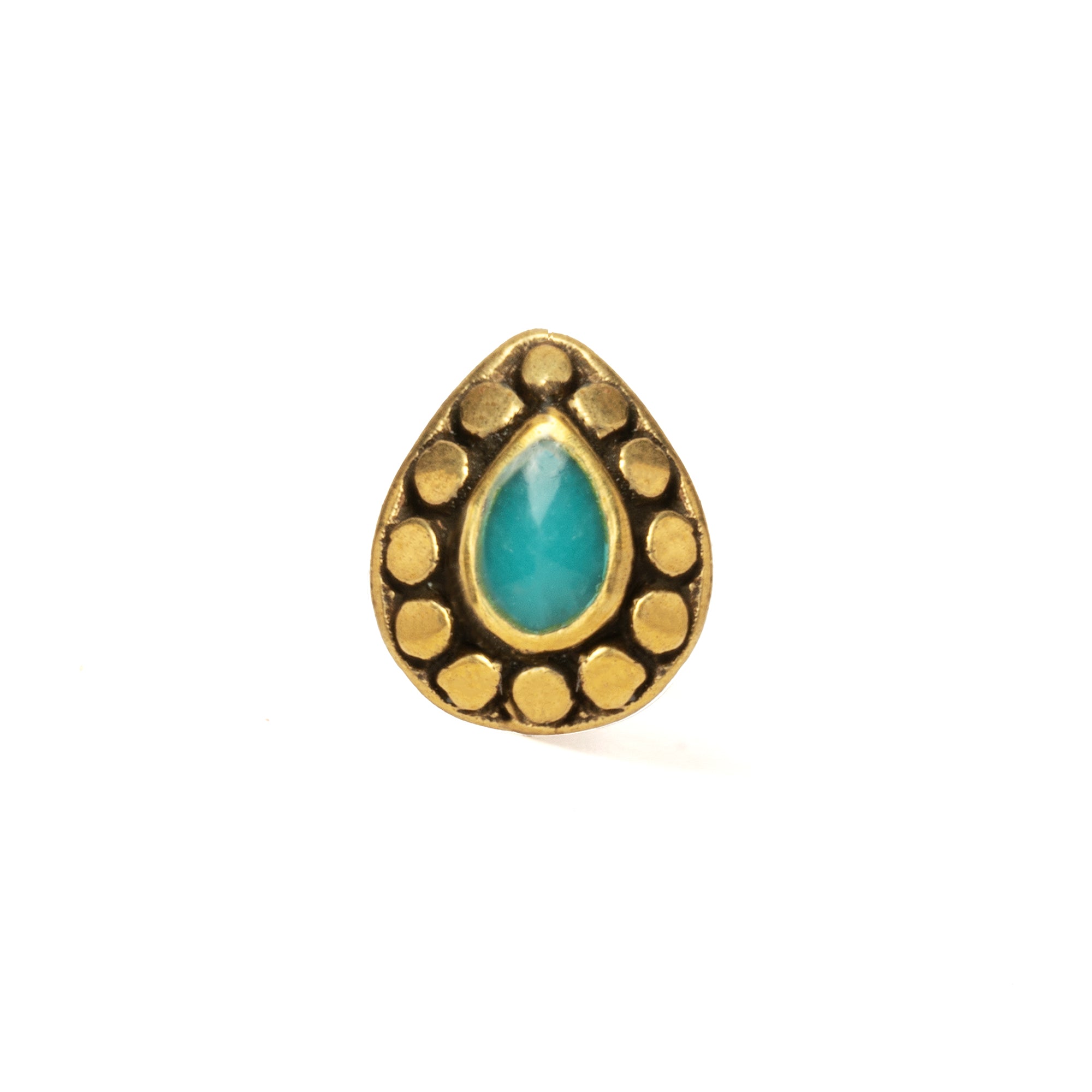
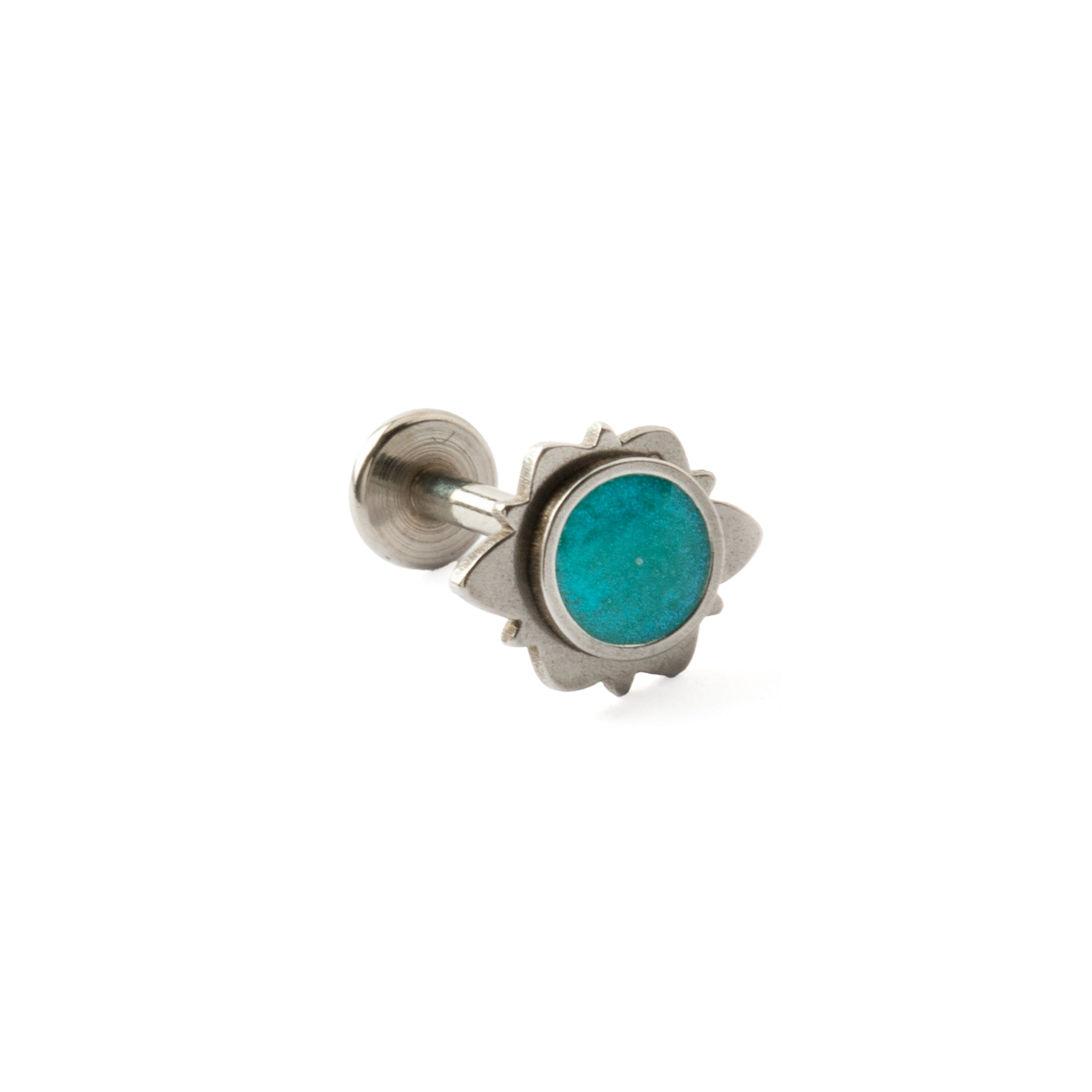
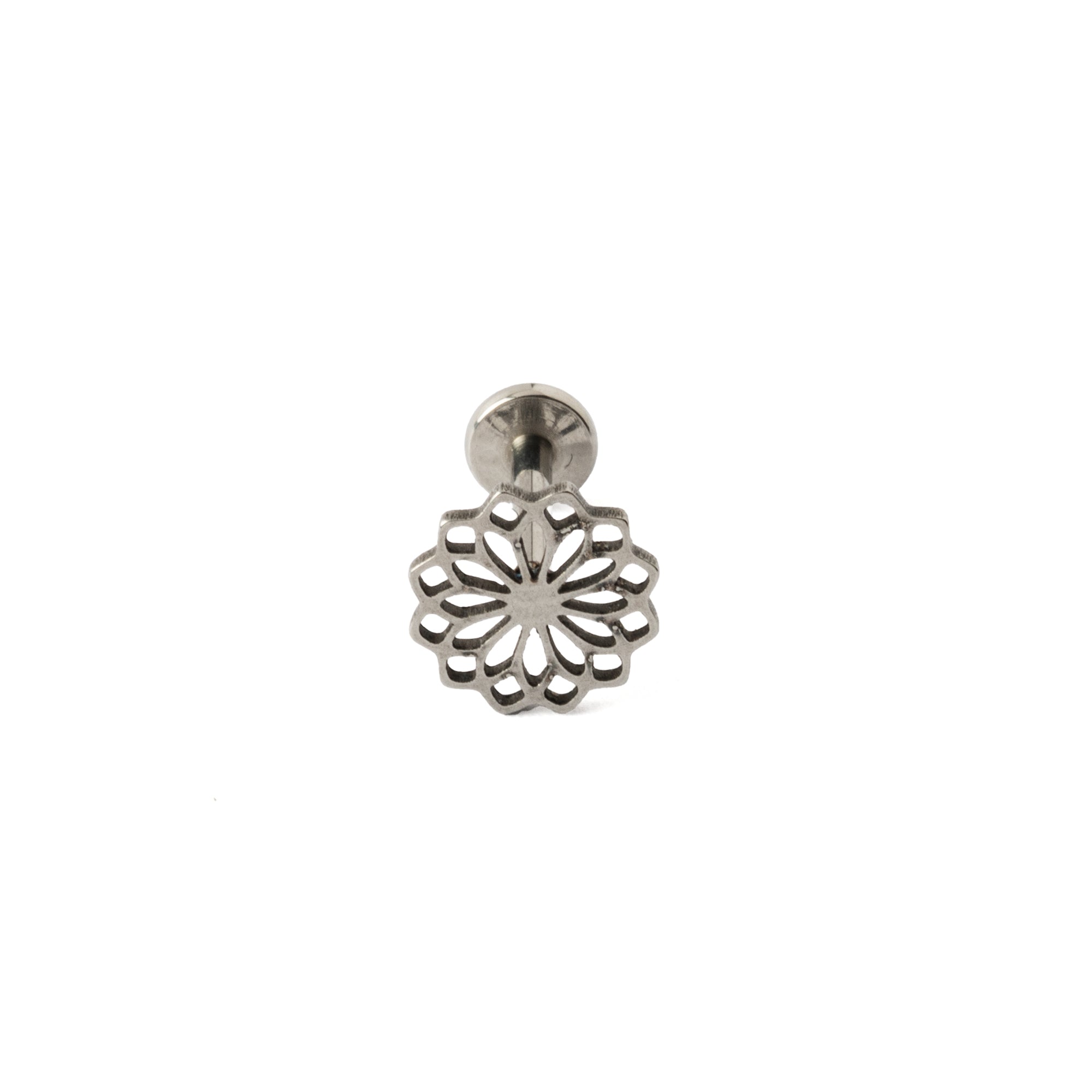
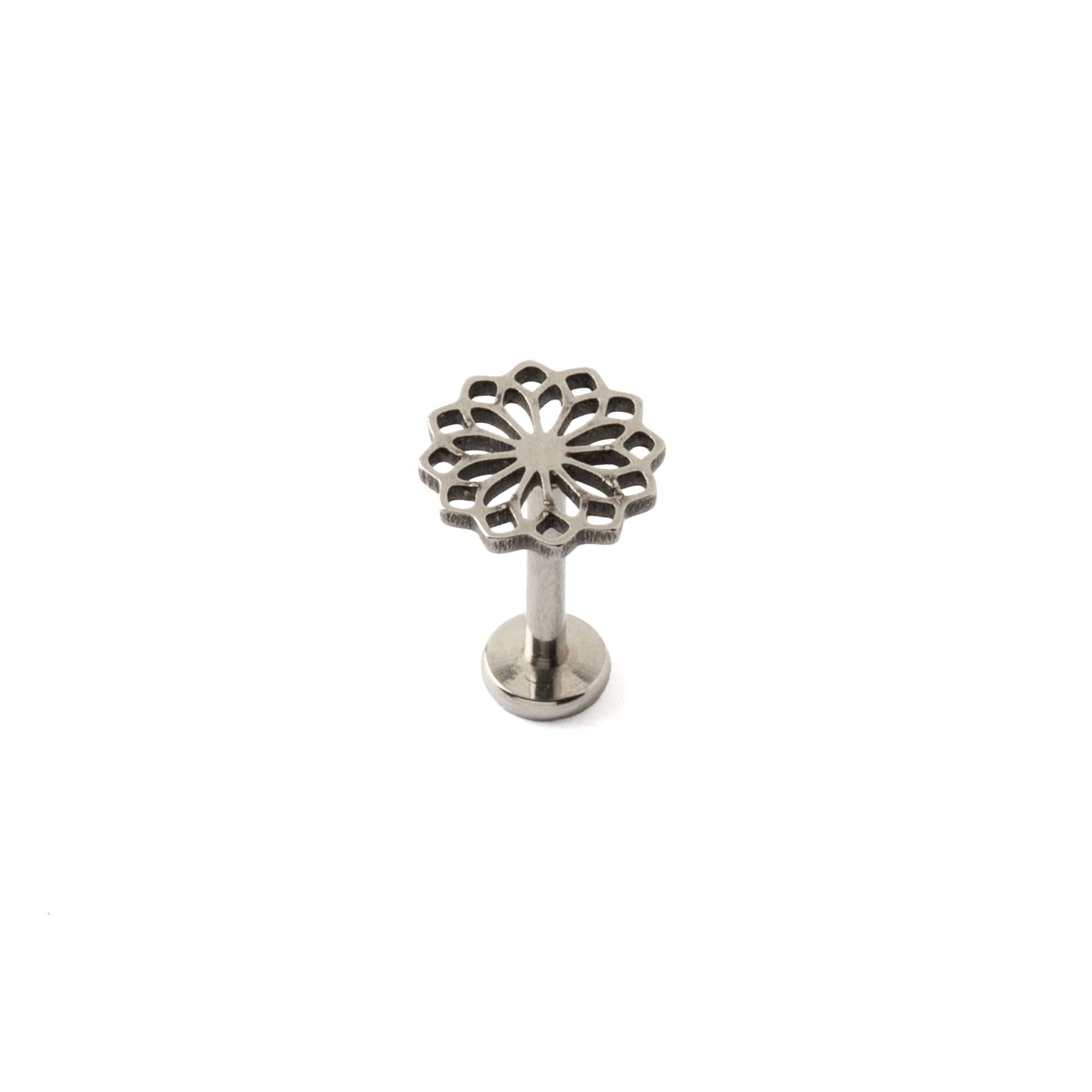
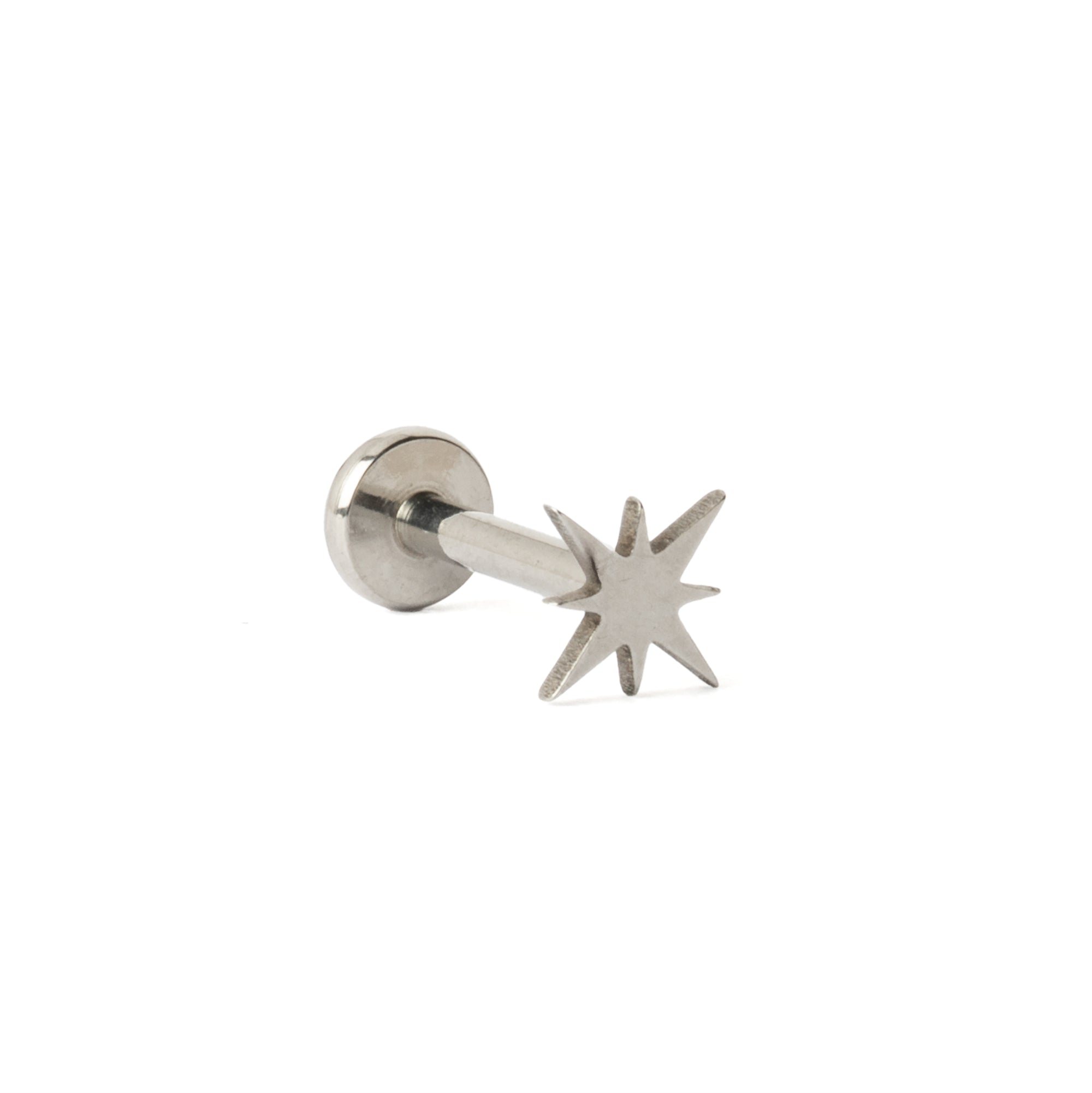
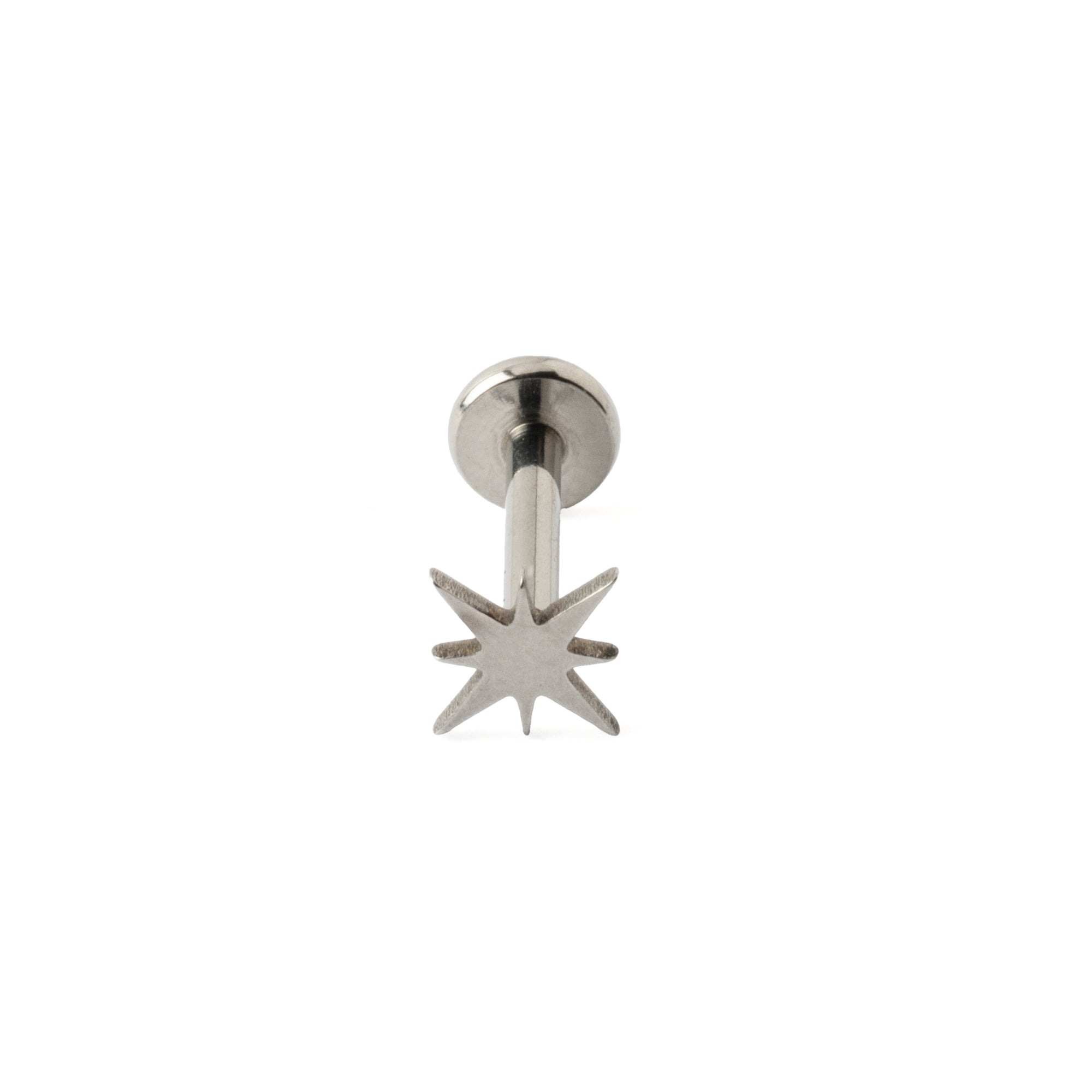
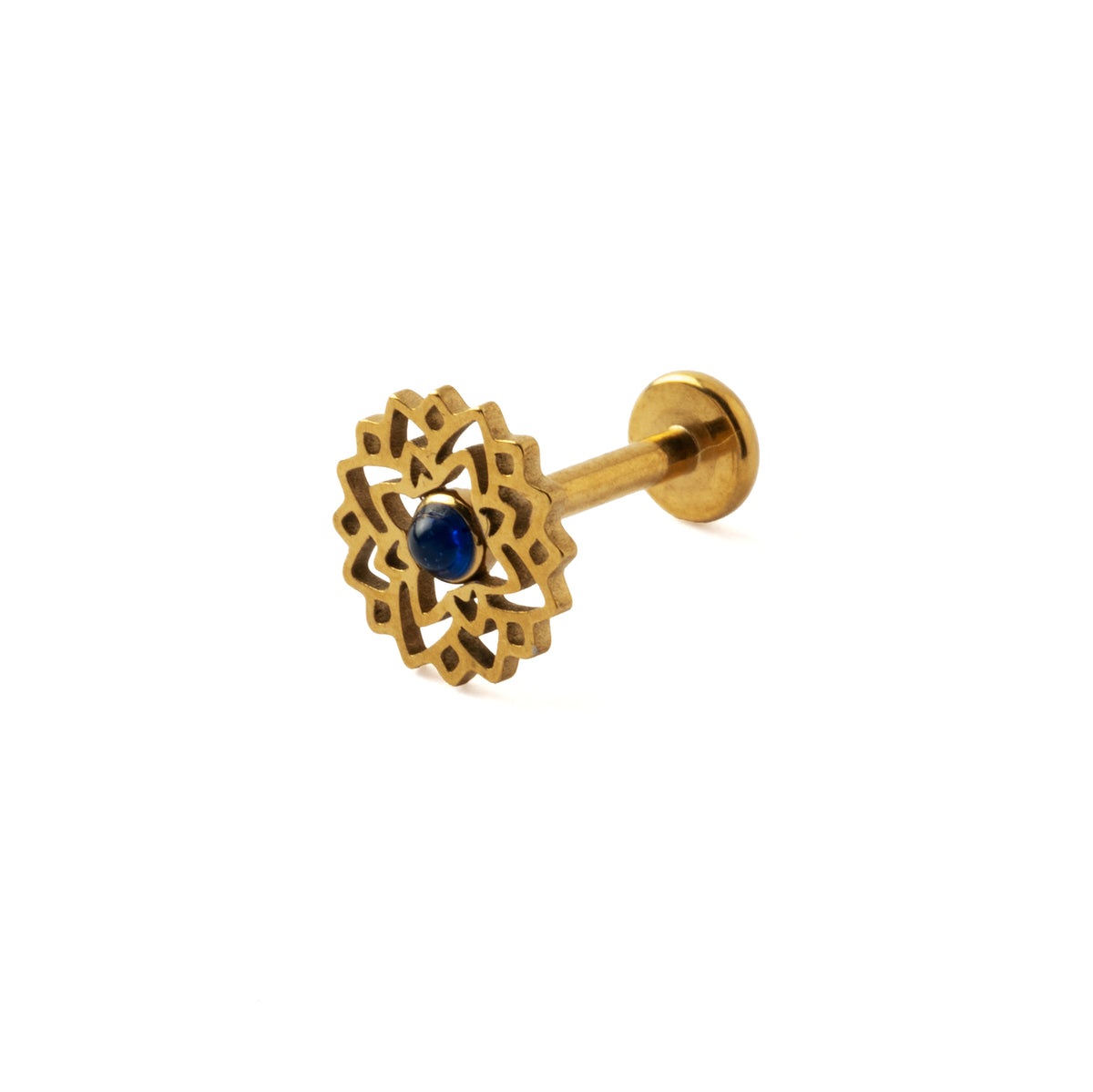
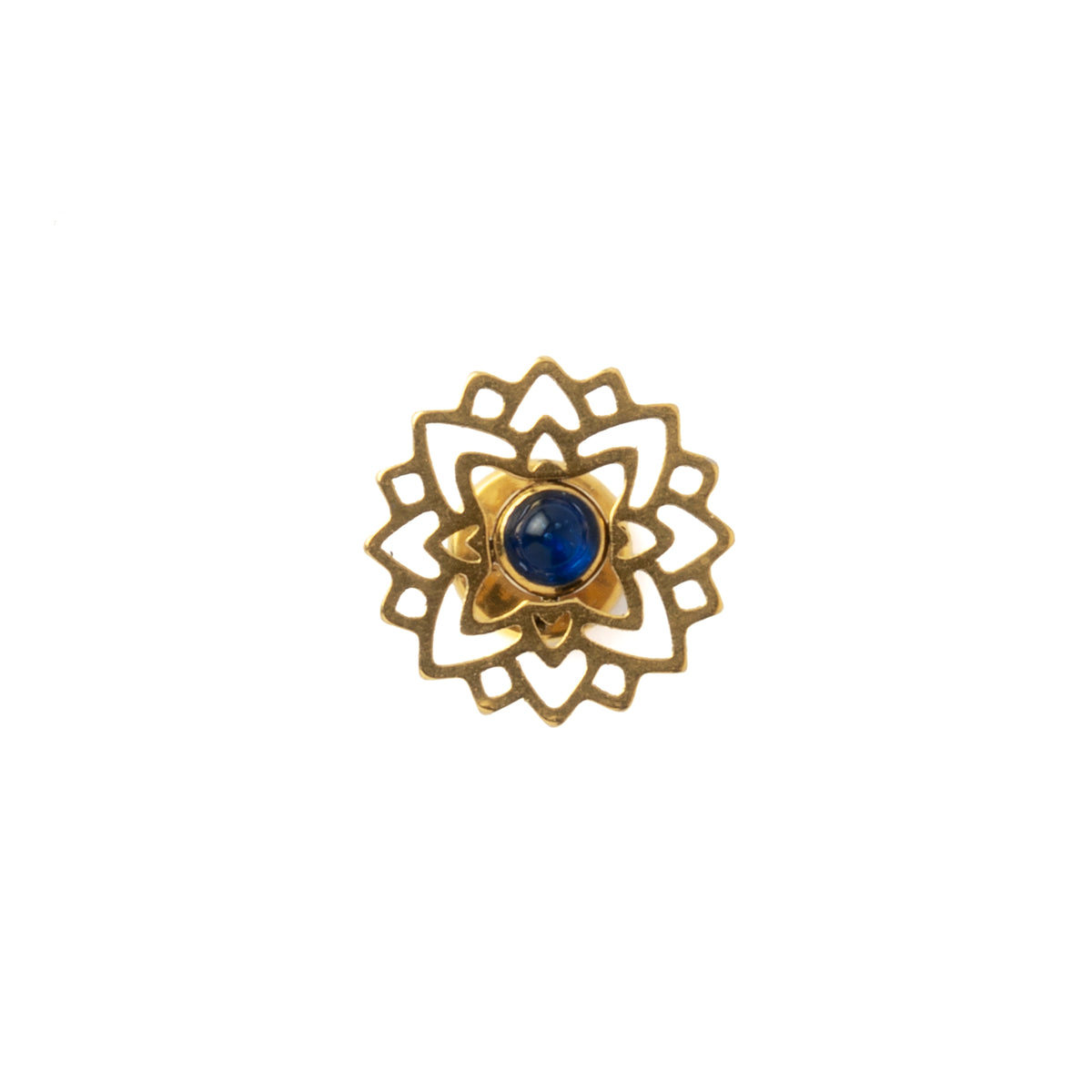
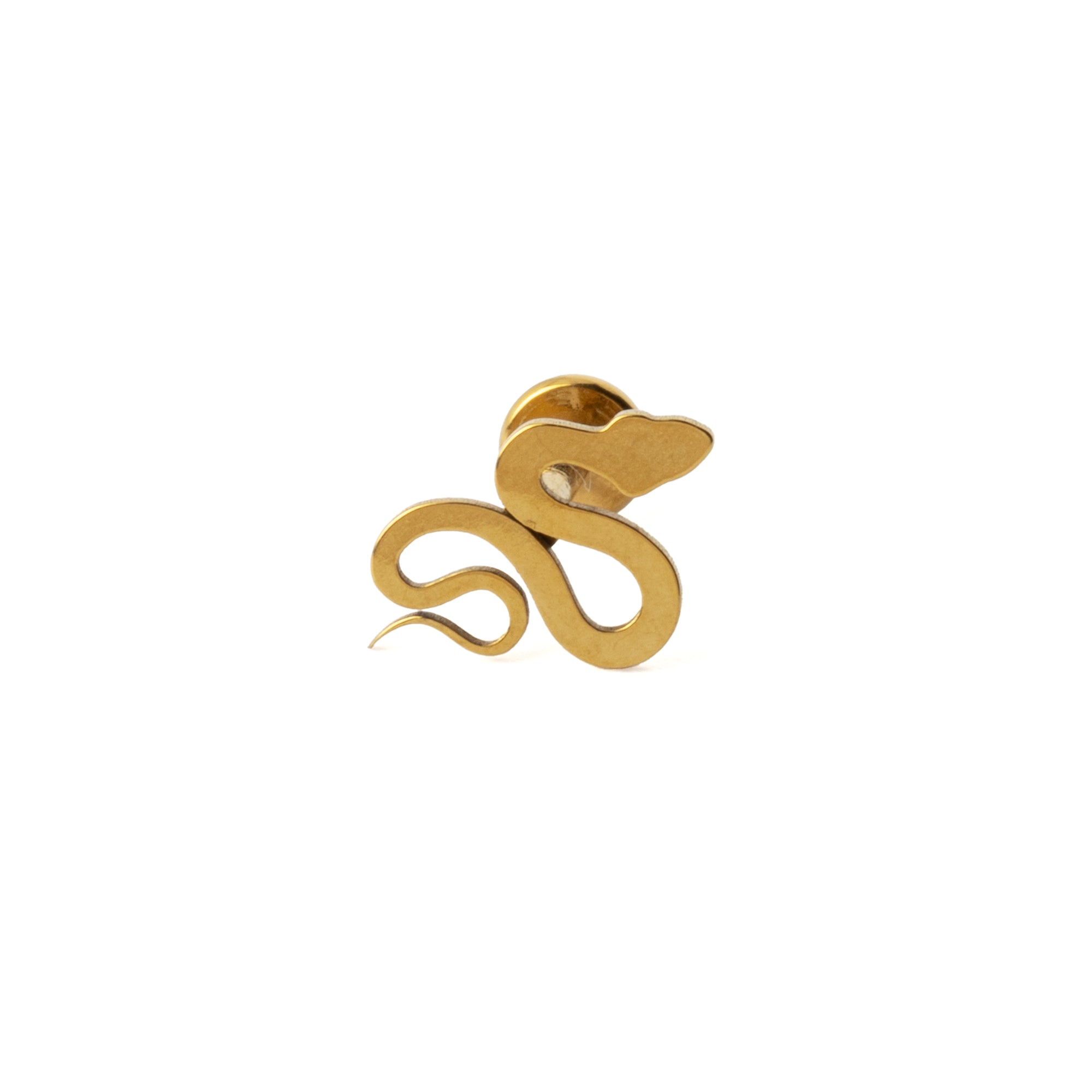
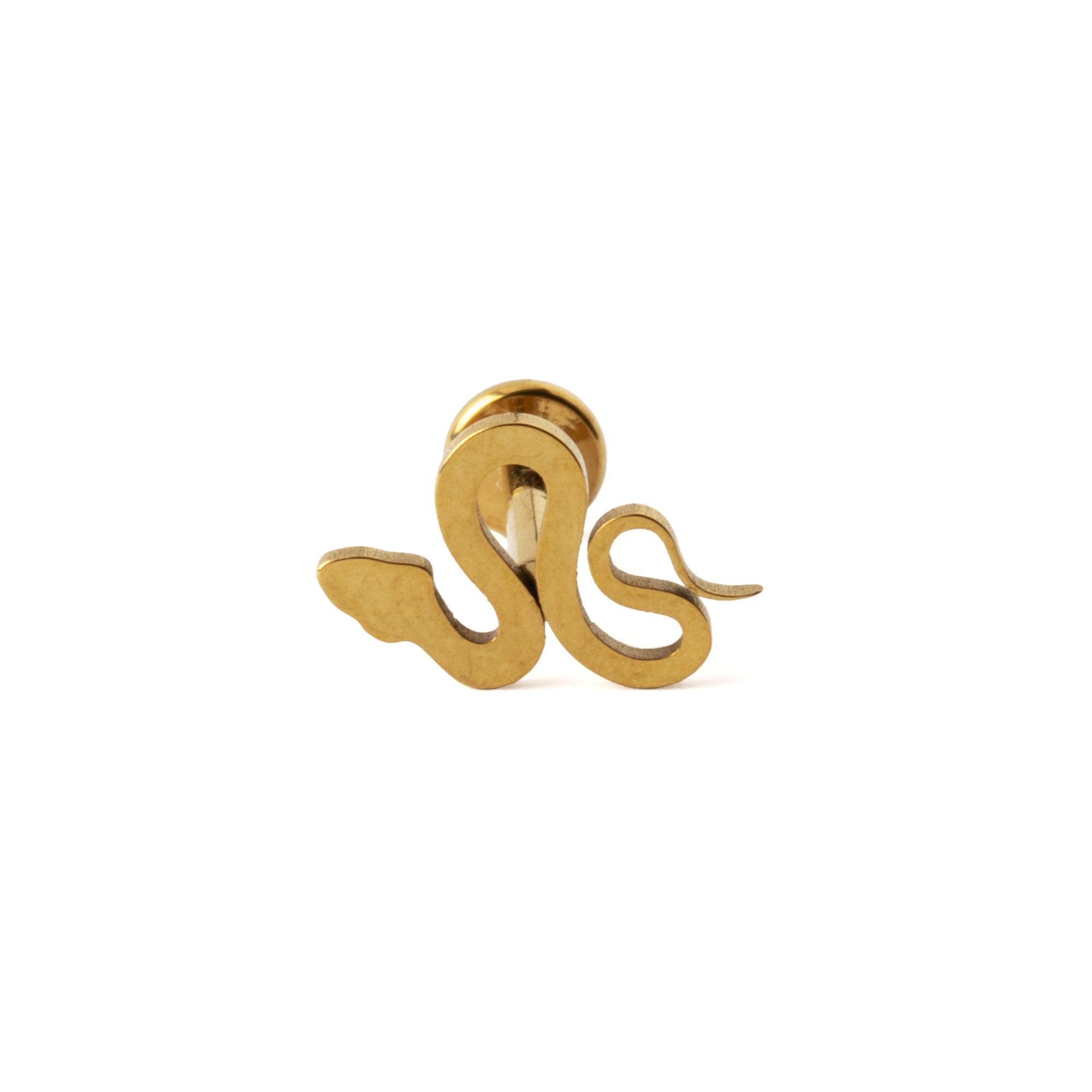
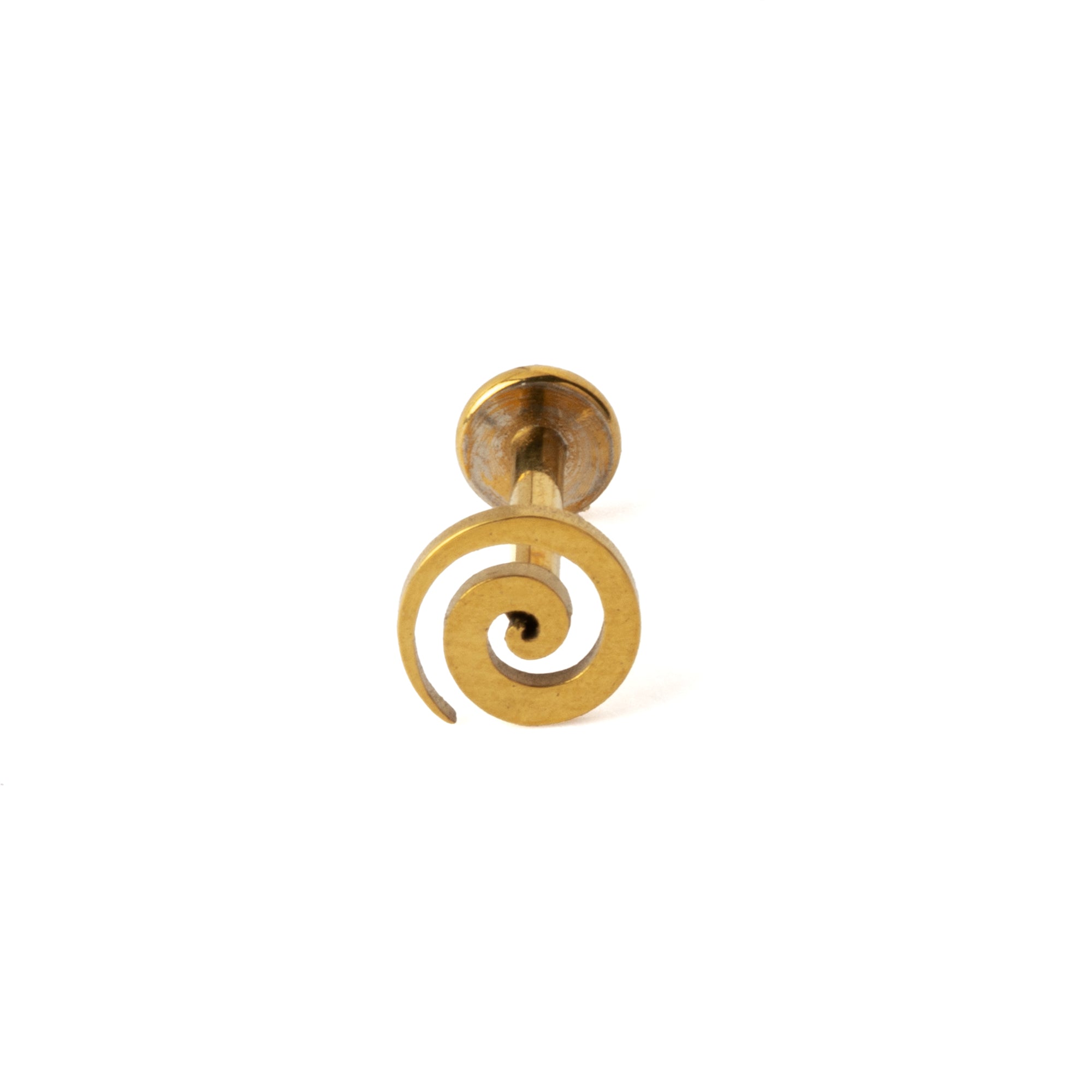
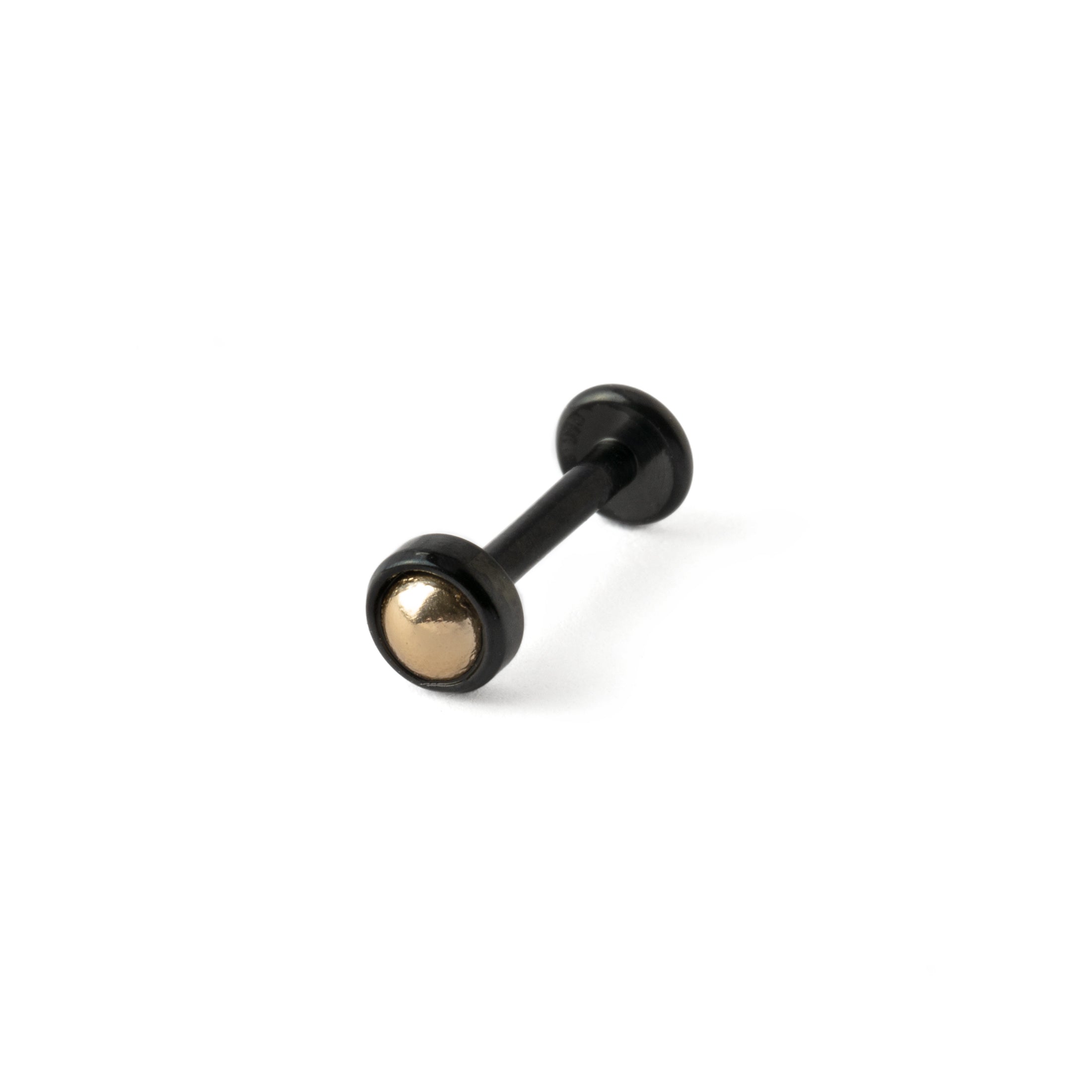
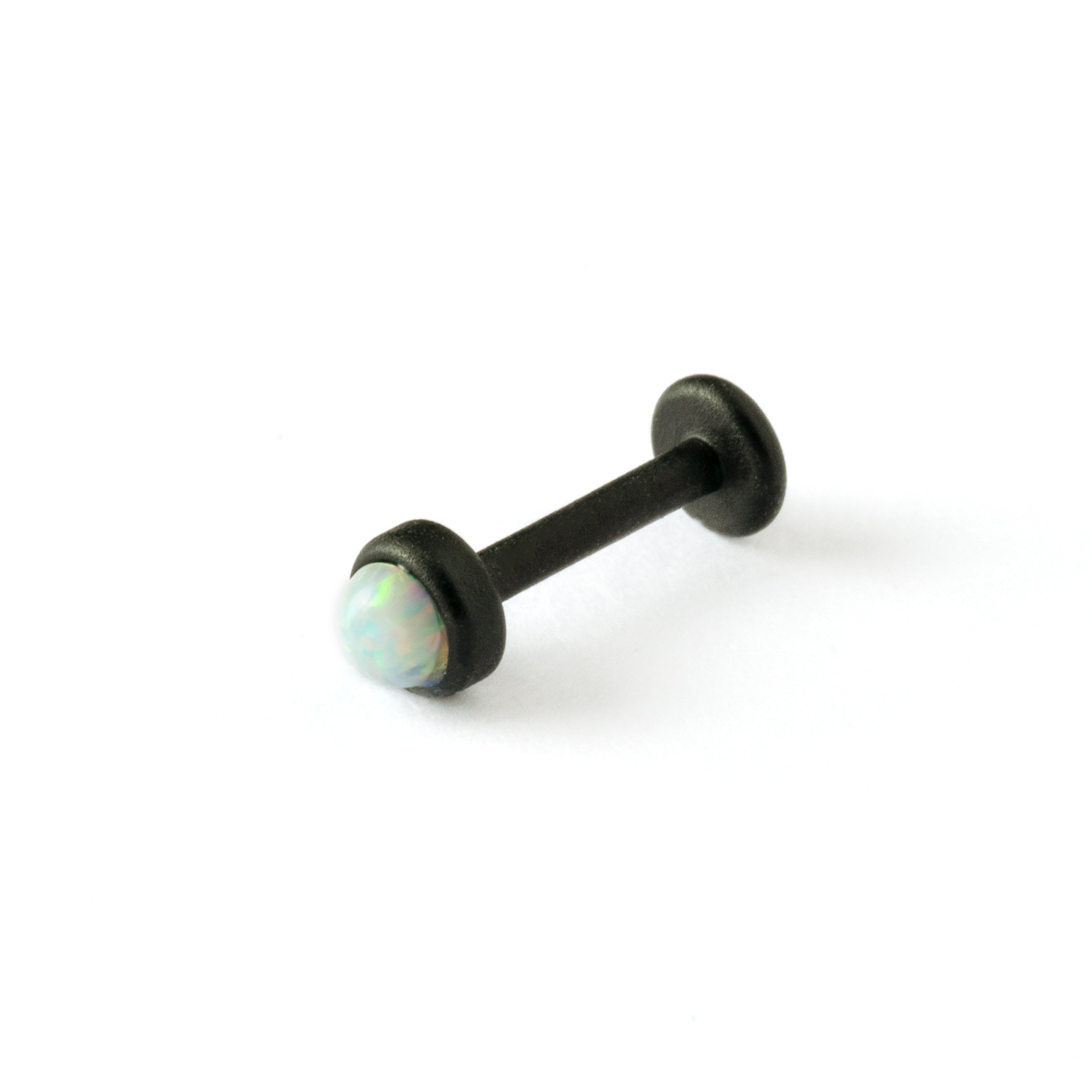
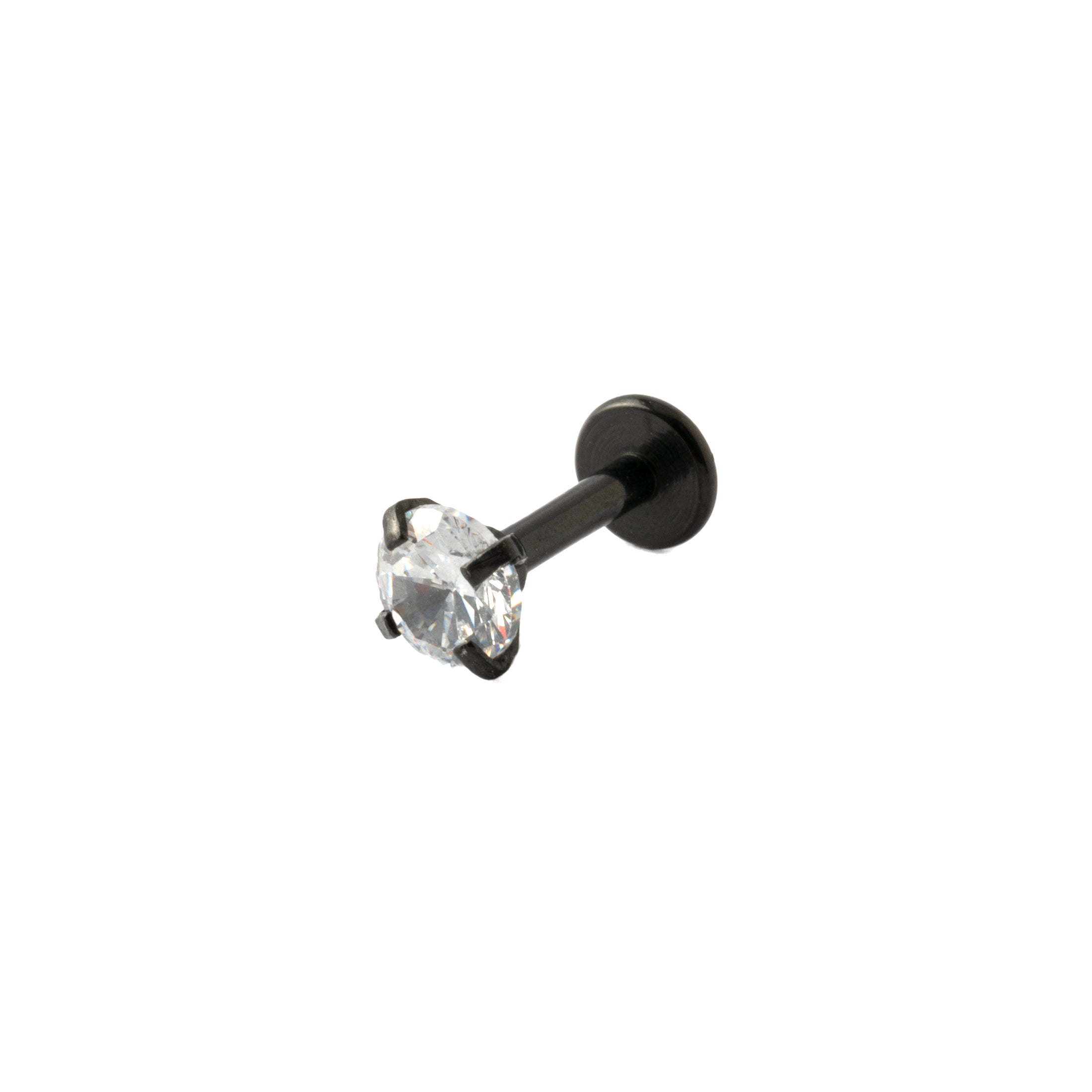
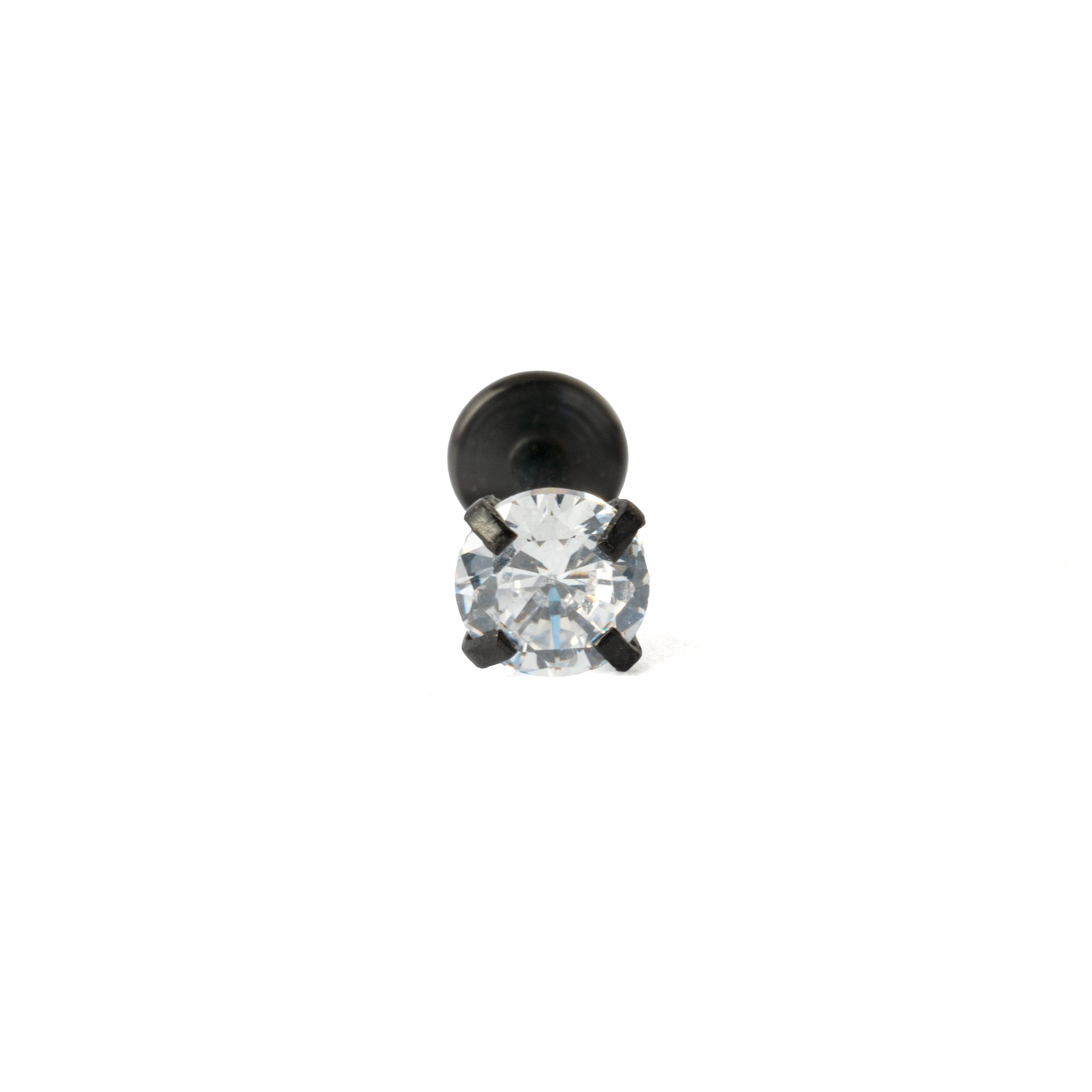
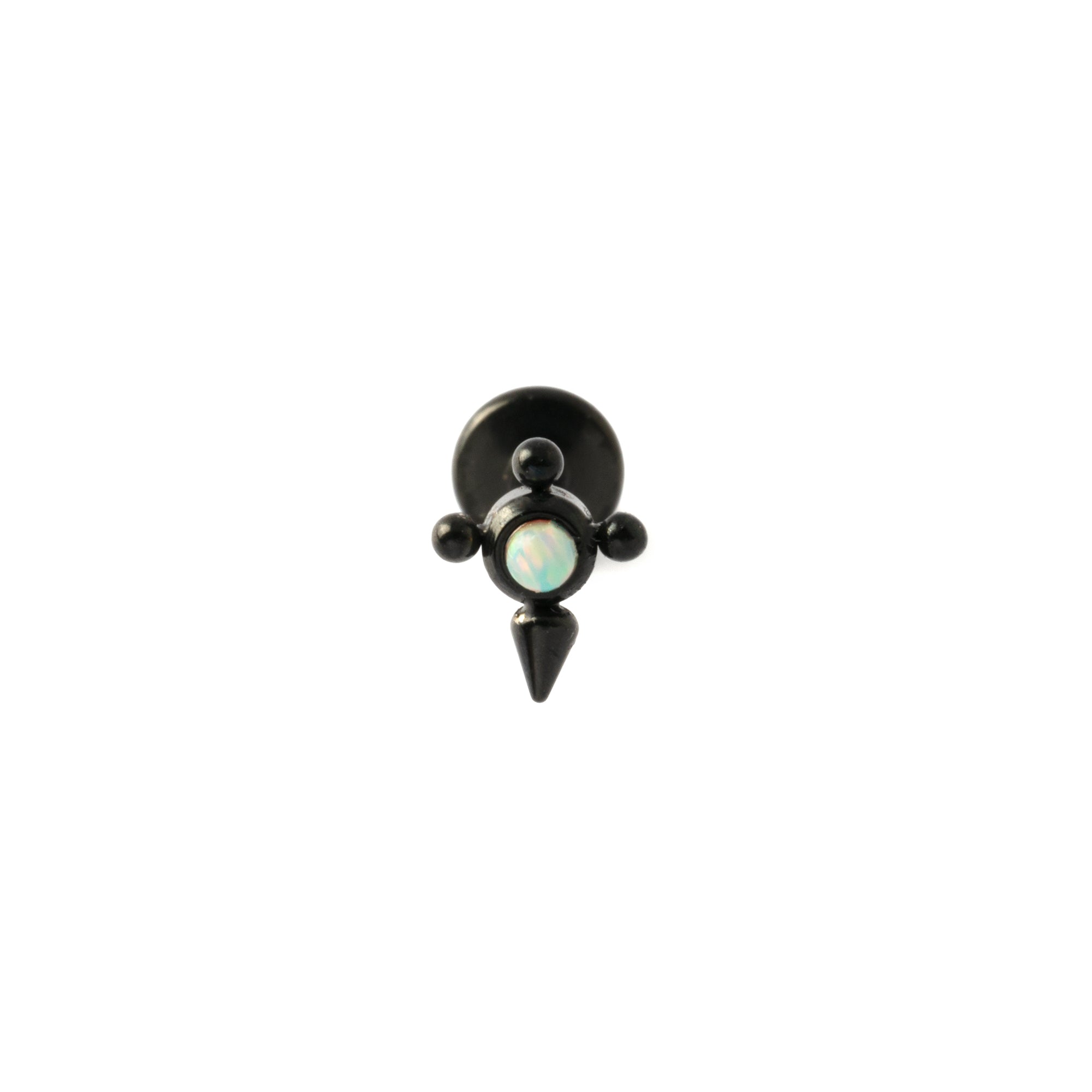
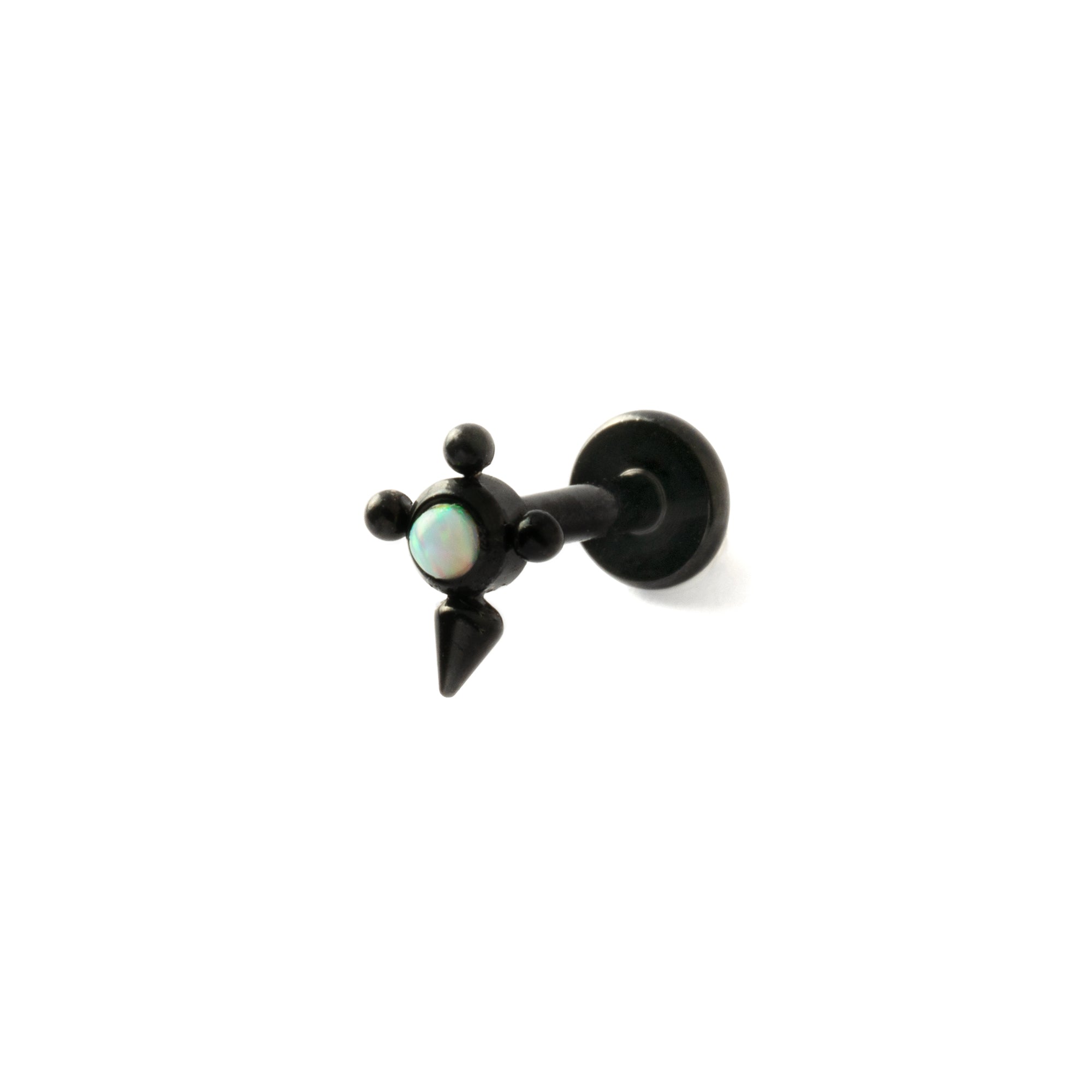
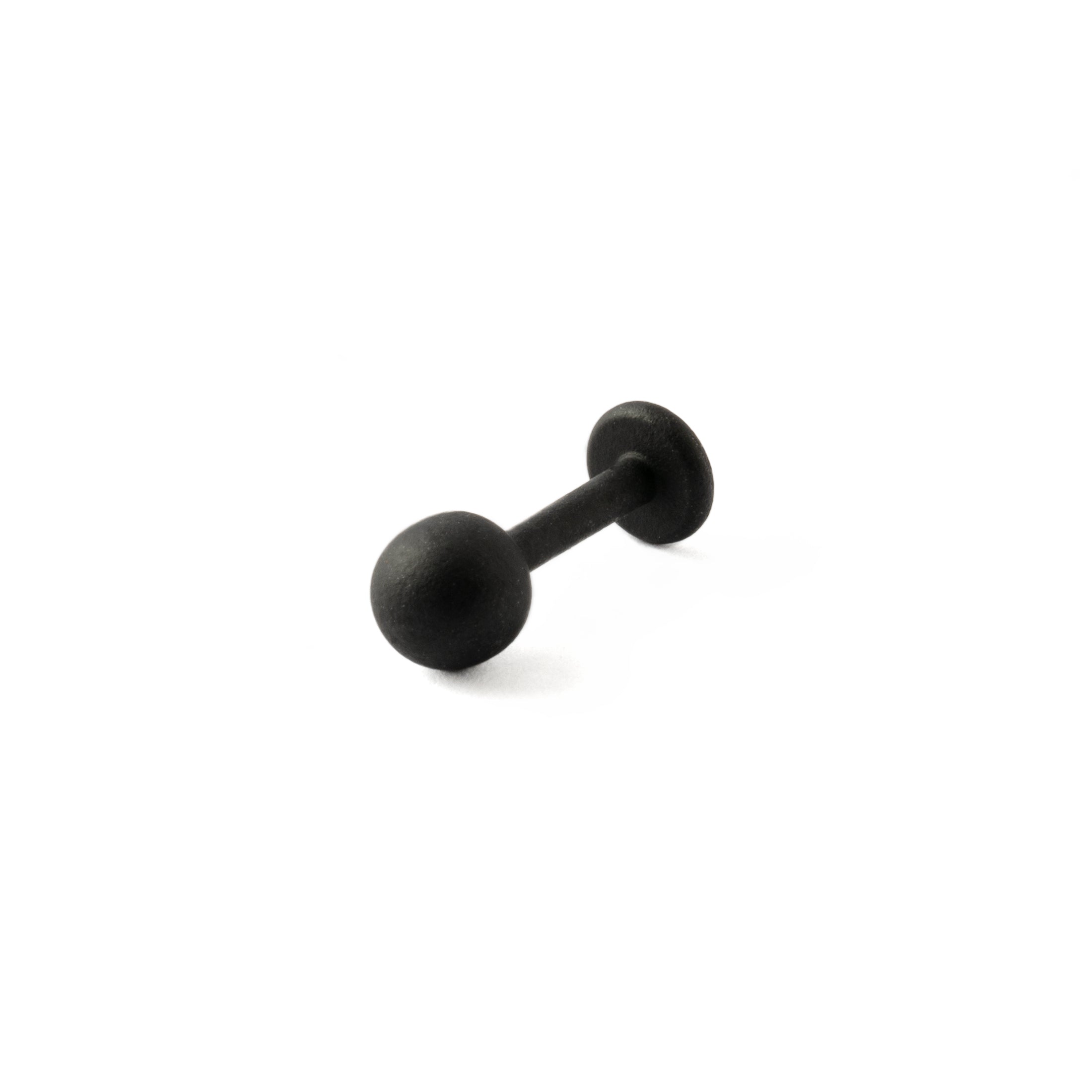
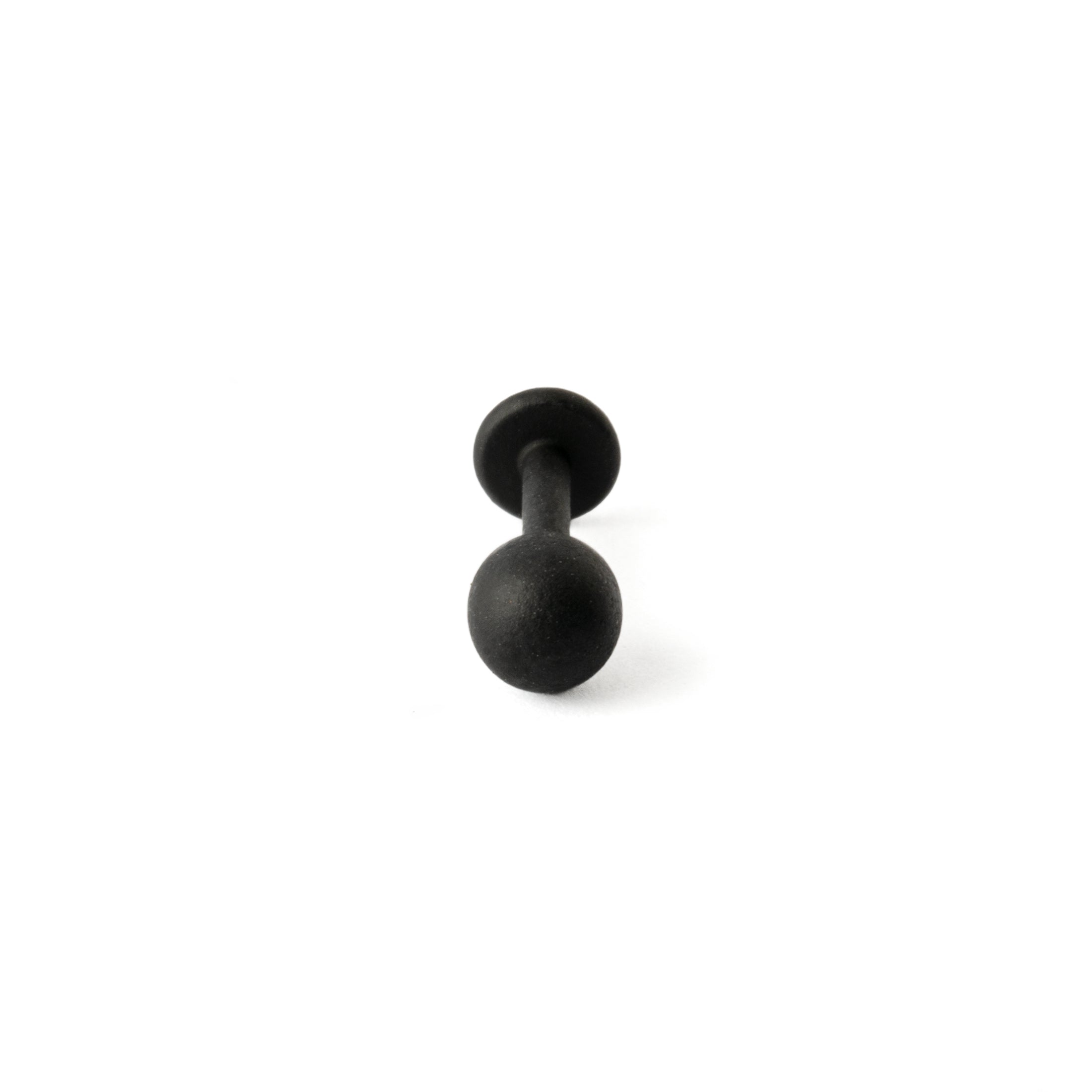
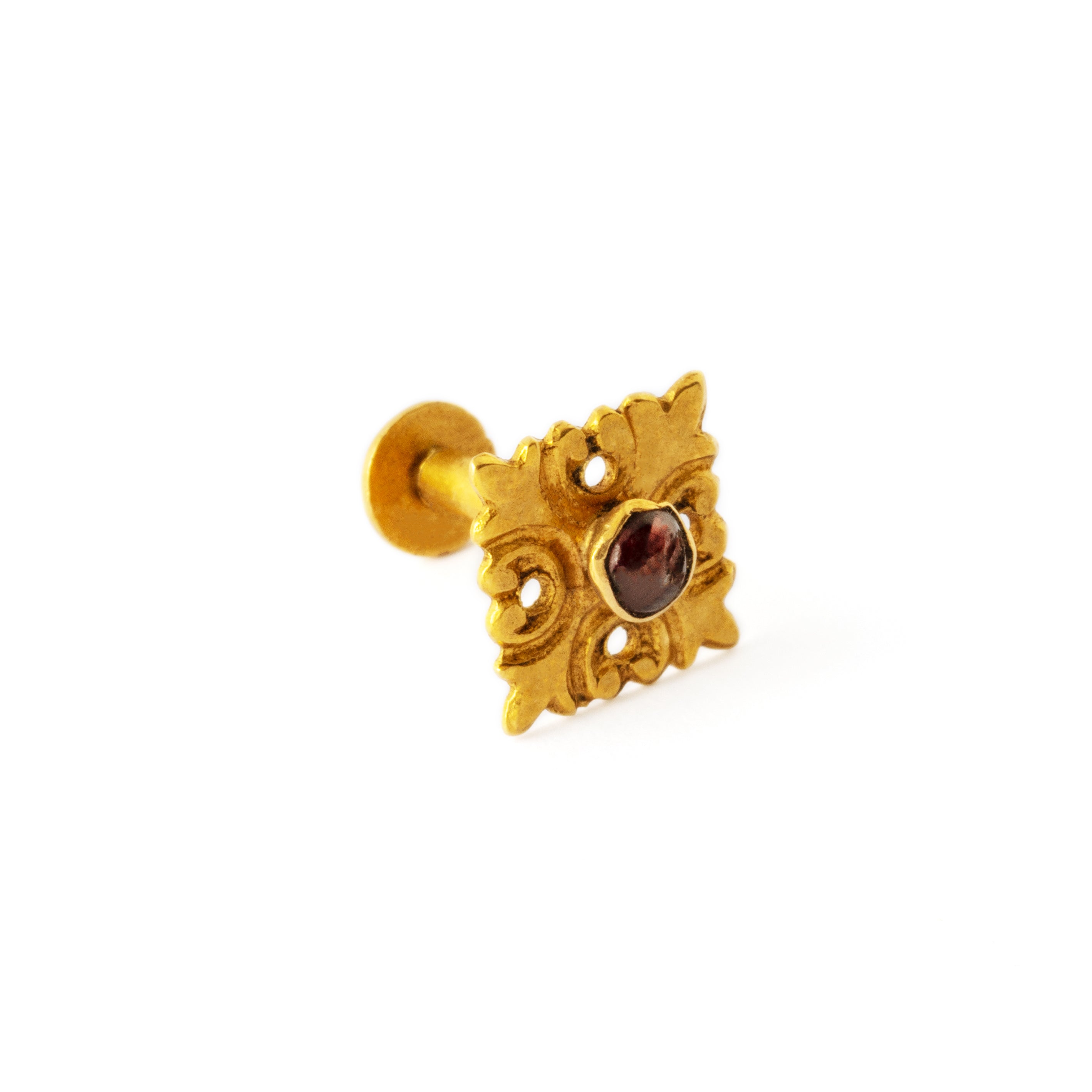
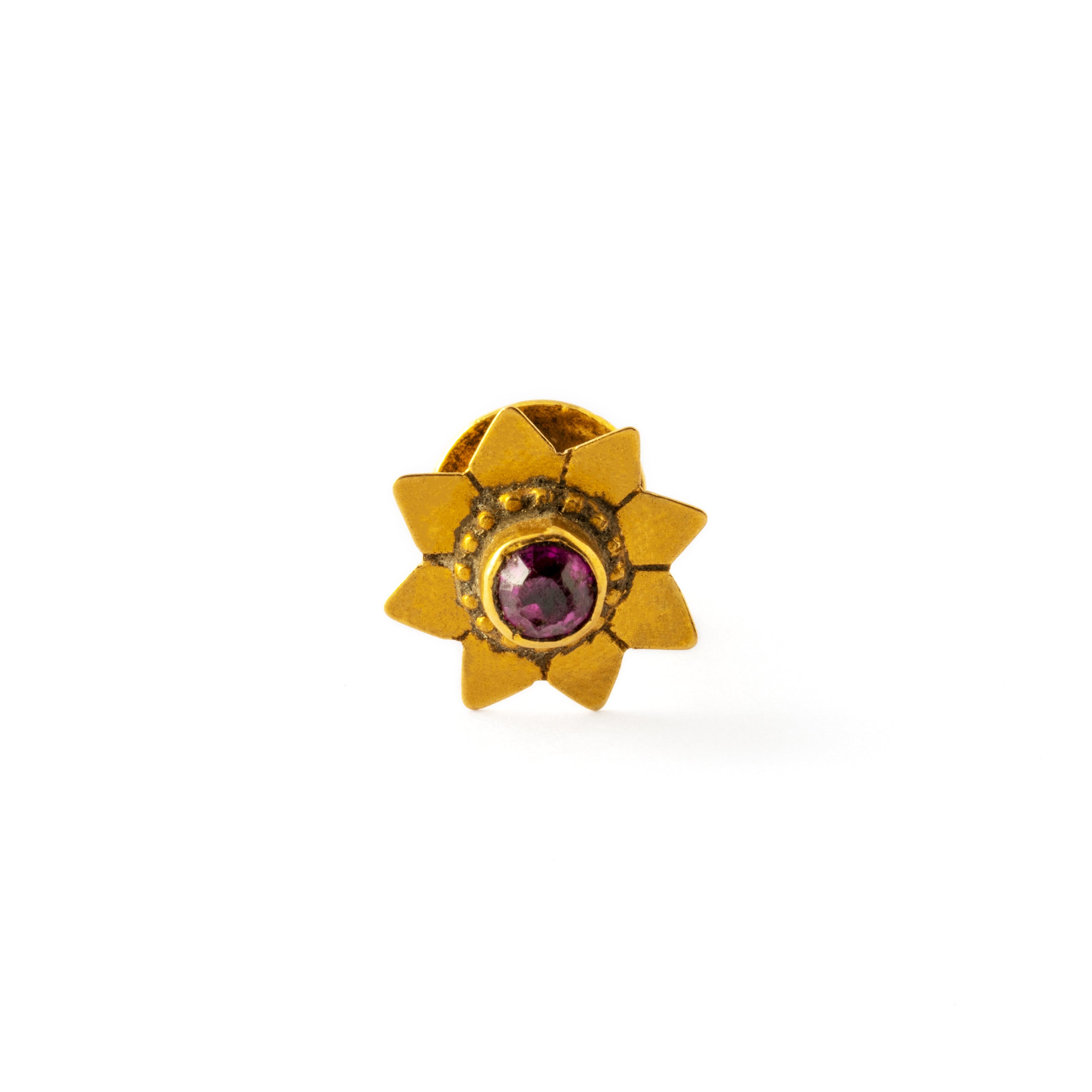
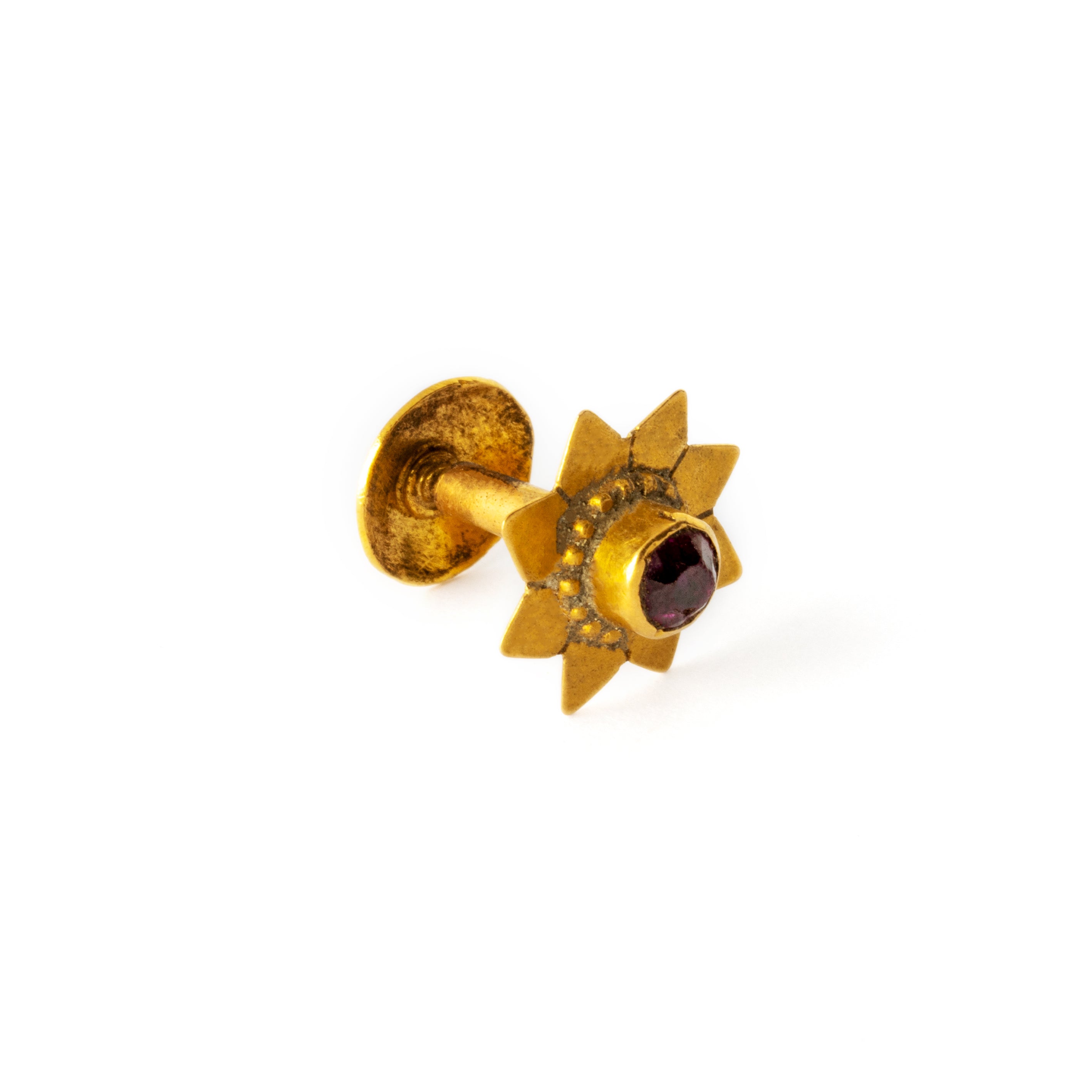
Flat-back labrets are the standard for an inner conch. A smooth post through the piercing, a decorative top that screws on, and a flat disc behind the ear instead of a butterfly back that presses. Most of ours are internally threaded, which means the screw thread sits inside the post and nothing sharp travels through the piercing when you change the top.
Hoops and clickers suit an outer conch. A clicker is hinged and snaps shut with no loose parts; a seamless ring twists open sideways for a cleaner, unbroken line.
Studs work in either placement if the back is flat.
The pieces here are shared with our labret, septum and nose ranges, because a flat-back labret at the right size is a flat-back labret wherever it goes. What changes between placements is the measurements, not the design.
Getting the size right
Diameter, for a hoop. We stock 6mm, 7mm, 8mm, 9mm, 10mm and 12mm. 8mm and 10mm are the sizes we hold deepest and the range most outer conch piercings sit in. Too small and the ring presses into the cartilage instead of clearing it; too large and it swings. This is the measurement worth getting from your piercer rather than guessing, because ear anatomy varies more here than almost anywhere else.
Post length, for a labret. 6mm and 8mm. Conch cartilage is thicker than a lobe, so 8mm is the more common of the two, but the piece you're wearing now is the honest answer. Take it out and measure the post between the disc and the base of the top.
Gauge. 1.2mm (16g) is the UK standard for a conch, with 1mm (18g) used in some ear placements. It has to match the piercing you already have. If you don't know yours, a piercer will measure it in seconds. Our gauge-to-millimetre conversion chart converts both ways and the measuring guide covers measuring a piece you own.
Conch piercings are cartilage, and cartilage takes its time. See the professional piercer who did yours before you change it for the first time.
Common questions
What jewellery goes in a conch piercing?
An inner conch takes a flat-back labret or stud, so the disc sits behind the ear and nothing presses. An outer conch can take a hoop or clicker as well, because there's an outer rim of cartilage for the ring to wrap around.
What size hoop for a conch piercing?
8mm to 10mm covers most outer conch piercings, and we stock 6mm to 12mm. The right size clears the cartilage rather than pressing on it, and that varies with your ear, so it's worth having your piercer look rather than ordering blind.
What gauge is a conch piercing?
1.2mm (16g) is the UK standard, with 1mm (18g) used in some ear placements. Match the piercing you have rather than guessing.
Can I wear a hoop in an inner conch?
Generally not. An inner conch sits in the flat centre of the bowl with no outer edge for a ring to wrap around, so a flat-back labret is the fitting that works. Ask your piercer about your own anatomy.